

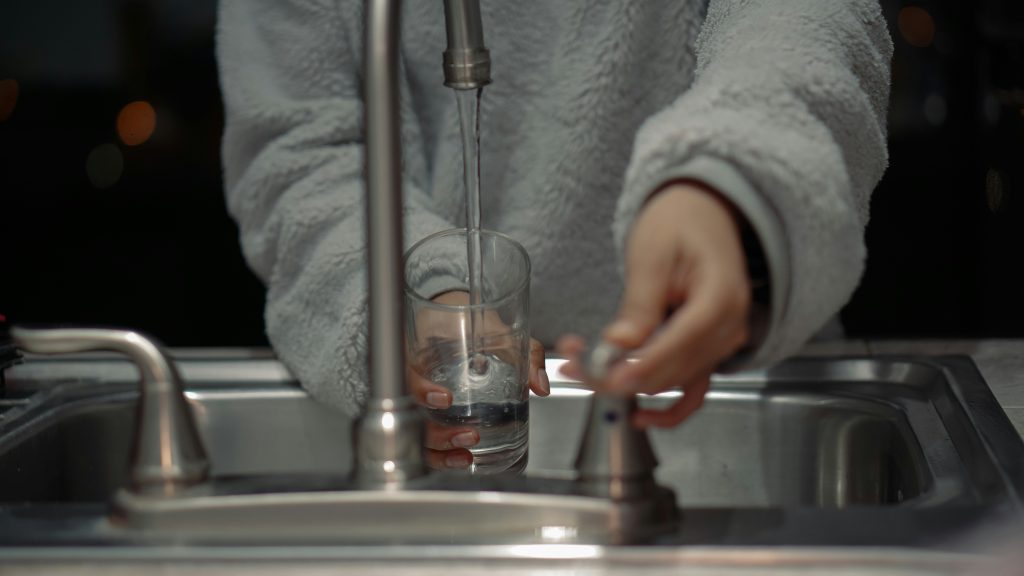
Water testing facilities process hundreds of samples daily. Municipal supplies. Industrial effluent. Nobody outside the lab sees this work, but everyone depends on it. One miscalculation and contaminated drinking water clears a checkpoint it should not. A factory discharge breaches a limit nobody catches in time. The instruments doing this measuring have no margin for approximation.
Titration is the method most facilities rely on for exact chemical levels. A reagent goes into the sample. The reaction runs to completion. That endpoint reveals the concentration. Automated systems now handle this process. Faster. More consistent. Less dependent on the person holding the equipment.
Why Water Testing Facilities Matter for Public Health
UK water companies operate under the Water Supply (Water Quality) Regulations 2016. Bacteria, heavy metals, chemical compounds, pH: all of it gets tested on a fixed schedule. Miss a cycle and the early warning system fails. Adhering to the latest statutory water quality standards ensures that waterborne disease outbreaks do not announce themselves. They show up in hospital admissions. Continuous monitoring is what keeps that from happening.
Testing frequency is not arbitrary. Different contaminants move at different speeds. Bacterial levels can spike within hours of a network failure. Heavy metal contamination from corroded pipework builds gradually over weeks. A monitoring programme that catches both requires instruments calibrated for sensitivity at opposite ends of the detection scale. That is the practical reality facilities manage every day.
The Sample Collection and Preparation Process
Collection is where reliability either starts or breaks down. Technicians pull water from treatment works, reservoirs, residential taps, and commercial sites. Every location tells a different part of the story. System performance gets checked at each point in the supply chain, not just at the end.
Sterile containers. Logged collection time. Technician name on the record. Some samples stay below 4°C in transit. Bacteria counts shift at higher temperatures and the result becomes unreliable before it reaches the lab. Filtration removes particles that would interfere with chemical analysis. Dilution keeps measurements inside instrument range. Preparation is not a formality. It determines whether the result means anything.
How Laboratories Measure Chemical Concentrations
Water testing environments demand more than basic reagent delivery. Automated endpoint detection removes operator judgment from the result. Electronic logging satisfies audit requirements without extra steps. How do professionals choose their titrator shapes every procurement decision in this sector: instrument capability must match the specific parameters, sample volumes, and data formats a facility is legally obligated to meet. Hardness, chlorine, alkalinity: results hold up across high sample volumes without drifting.
Onboard software tracks changes throughout the run. Dosing, endpoint detection, result logging: the platform handles each step and records it directly. No manual transcription. No gap in the audit trail.
Quality Control Measures
Every batch runs alongside blank samples and known standard solutions. Blanks check the process for contamination. Standards confirm the instrument is reading correctly. Both matter. Neither is optional.
Calibration happens daily against certified reference materials for analytical chemistry to ensure measurement accuracy remains within defined tolerances. When results get cross-verified across analytical methods, any deviation surfaces before it reaches a report. A titrator that cannot demonstrate consistent performance across calibration cycles is a liability in a regulated environment, not an asset. Instrument selection comes down to three things: what parameters the facility must measure, what sample volumes need processing, and whether the data output meets the format regulators require.
What Happens When Test Results Fail Standards
A result outside acceptable limits triggers resampling immediately. Second sample, same location. If collection or preparation caused the failure, it surfaces here. No wider action until that is ruled out.
Second failure means the Drinking Water Inspectorate gets notified. Serious contamination: 24 hours. The response depends on what the contamination is. Following the protocol for Drinking Water Inspectorate loss of supply incidents, the response may mean increased chemical dosing at the treatment works. Bacterial contamination above safe limits can trigger a boil-water notice for affected residents.
Every corrective step gets documented. Labs review those records to find patterns. The same failure does not repeat if the data is used properly. Public health and minimal disruption are both served by the same thing: a system that catches problems early and responds without delay.
Water testing is not visible work. The results of getting it wrong are. Facilities that run tight protocols and reliable equipment are what stand between a supply network and a public health event.
Local news needs your support
We are proud that we were at the forefront of reporting on the recent local elections. We can’t do this without the support of our readers.
Independent news outlets like ours – reporting for the community without rich backers – are under threat of closure, turning British towns into news deserts.
If our coverage has helped you understand our community a little bit better, please consider supporting us with a monthly, yearly or one-off donation.
ACT NOW!
Monthly direct debit


Annual direct debit

£5 per month supporters get a digital copy of each month’s paper before anyone else, £10 per month supporters get a digital copy of each month’s paper before anyone else and a print copy posted to them each month. £50 annual supporters get a digital copy of each month's paper before anyone else.

More information on supporting us monthly or yearly
More Information about donations






 Enjoying Enfield Dispatch? You can help support our not-for-profit newspaper and website from £5 per month.