

As the cost-of-living bites, young people are frequently turning to local charity shops for their clothes shopping, writes Jade Lennon
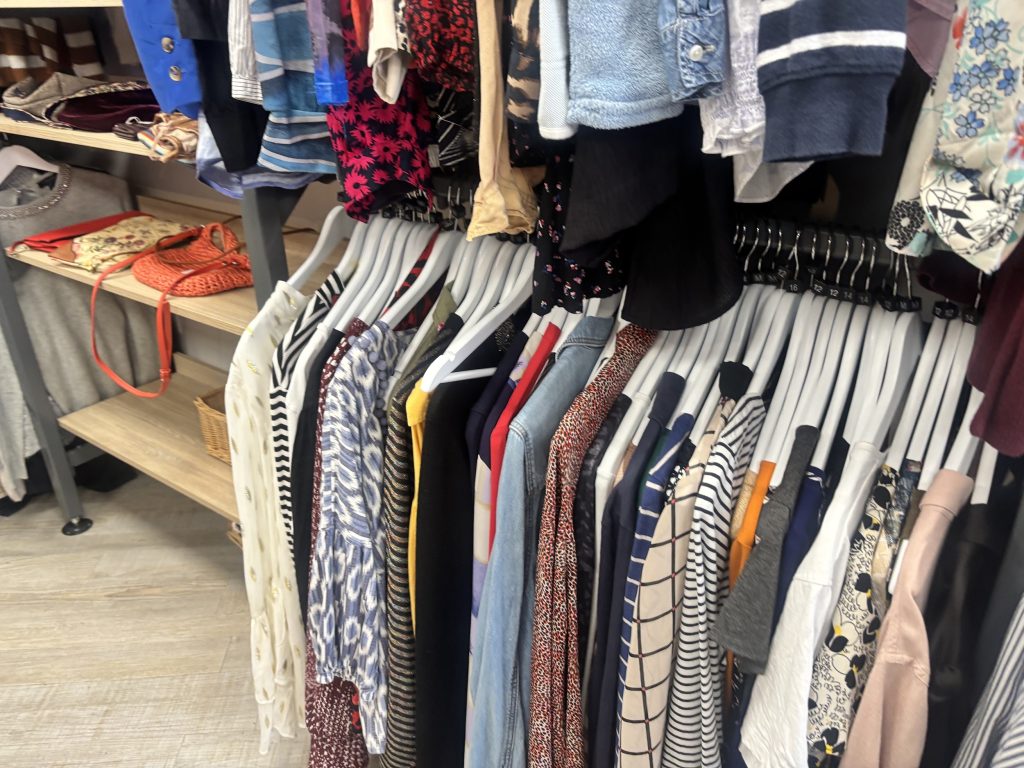
With charity and thrift shopping on the rise among young people, are they being sustainably conscious or just following a trend?
Thrifting and charity shopping have been trending for a long time, particularly since the Covid-19 pandemic, and continues to grow. Although second-hand shopping has always existed, it has become mainstream among Gen Z.
Second-hand shopping has increased drastically in the UK, with over 80% of young people aged 18-34 wearing pre-loved clothing. Despite this, the majority of these second-hand pieces are sourced online on apps like Vinted and Depop. Online shopping has become a mass phenomenon among young people for efficiency, with only 35% of opting for charity shops.
Compared to the younger generation, research from Traid shows that older people (55-64 years) don’t wear second-hand clothing as often, but when they do, this is done in person in charity shops and rarely ever done online.
Reasons given for second-hand shopping among young people show that affordability is the top priority, with 63% opting for this. Sustainability came in last at 49%.
Mandie Lane, a 56-year-old manager at St Vincent Community Shop in Church Street, Enfield Town, explained that although the shop has only been open for two years, the customer base continues to grow and expand.
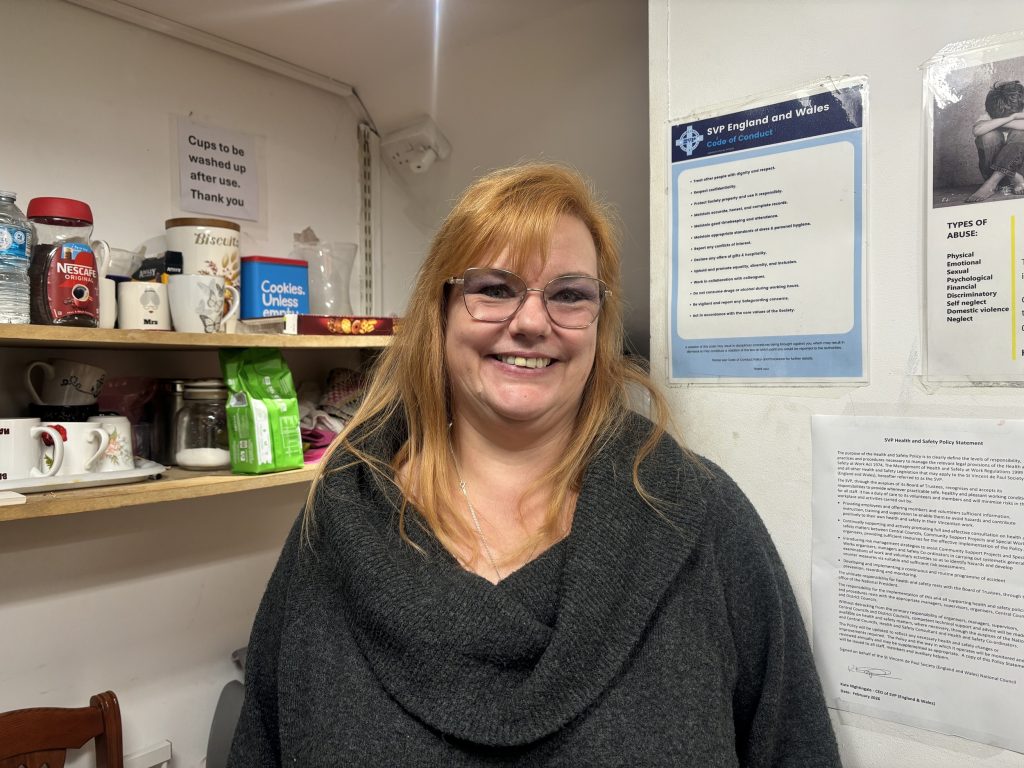
Charity and thrift shops see a plethora of customers and Mandie says that in the shop are “people that need to shop in charity shops” or “people that are looking for something different”.
She elaborates on the fact that some come in aiming to source something more artistic and quirky, that you’re unlikely to find in a mass chain clothing shop like Bershka and H&M.
Mandie also agrees that social media has been a driving force in the rise in popularity of charity shops, as it’s sustainable and is a means of inspiration for young people.
Klasp, a charity shop also located in Church Street, has a partnership with Kith & Kids located nearby. The charity provides “active support for older families with adult sons or daughters who have profound learning disabilities, autism, and/or physical disabilities”.
Helen, a 61-year-old volunteer at Klasp, expressed her surprise at seeing young people in the shop when she first started two years ago, as the demographic in the shop is typically older customers who are usually retired. She also stated that many parents shop for their children in charity shops.
Liam Gilligan, a 27-year-old who is the manager of both Kith & Kids and Klasp, stated how the general demographic of the shop is “people above 50”, with this remaining the case. He’s adamant this is because of online shopping, stating that “with people buying stuff online, a lot less people buy stuff in shops”.
Gilligan also expressed how generally the younger generation cares less about suitability, focused more on what’s trending.
Second-hand shopping is definitely becoming popular in the UK. In Enfield, location is a factor as to why charity shops don’t see as many young people compared to other parts of London. Despite this, there is still a fluctuation of young people across charity shops in Enfield.
Local news needs your support
We are proud that we were at the forefront of reporting on the recent local elections. We can’t do this without the support of our readers.
Independent news outlets like ours – reporting for the community without rich backers – are under threat of closure, turning British towns into news deserts.
If our coverage has helped you understand our community a little bit better, please consider supporting us with a monthly, yearly or one-off donation.
ACT NOW!
Monthly direct debit


Annual direct debit

£5 per month supporters get a digital copy of each month’s paper before anyone else, £10 per month supporters get a digital copy of each month’s paper before anyone else and a print copy posted to them each month. £50 annual supporters get a digital copy of each month's paper before anyone else.

More information on supporting us monthly or yearly
More Information about donations






 Enjoying Enfield Dispatch? You can help support our not-for-profit newspaper and website from £5 per month.