

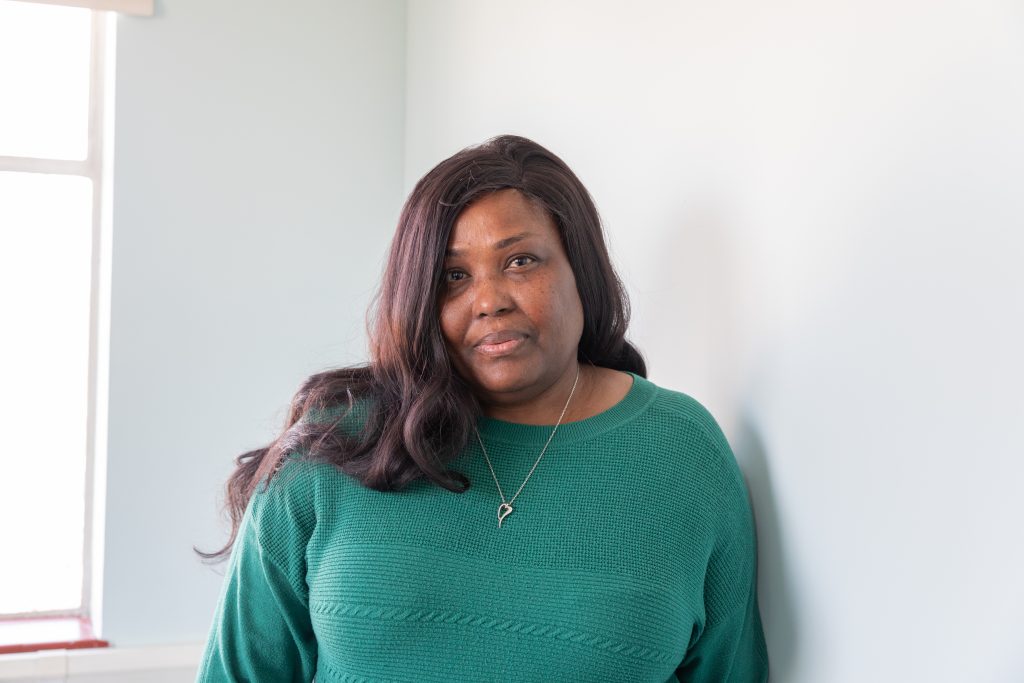
Elizabet Ekpenyong, a lived experience advisor for Local Motion Enfield, on how person-centred treatment could help improve NHS treatment
The mental health treatment system is invaluable and the services provided are for the common good of communities across the country.
However, there are gaps in the system, and one of these is in the approach to provision of mental health services.
At the moment, the approach is based on defined pathways which service users have to follow, otherwise they risk being discharged back to their GP, and effectively being denied any form of therapeutic care.
These defined pathways work, for some, not for all. For example, group therapy may be good but some people have difficulties speaking in a group. In the same way, cognitive behavioural therapy does not work for everyone, and some find alternative therapies, such as art, to be better suited to their needs.
The result is reluctant, or no, engagement with therapy by service users.
There is a need to adopt a different approach to mental health service delivery. Person-centred care focuses on the needs of the individual. It ensures that people’s preferences, needs and values guide clinical decisions and provides care that is respectful of and responsive to them.
It argues, according to NHS England, that “health and wellbeing outcomes need to be co-produced by individuals and members of the workforce working in partnership, with evidence suggesting that this provides better patient outcomes and costs less to health and care systems”.
This begs the question, if there is evidence of person-centred care providing better patient outcomes, why is it not at the heart of mental health care?
If a person-centred approach were applied to mental health treatment, then service users’ preferences would be taken on board in designing their treatment and care package.
There is a need to be intentional in addressing mental health treatment. At the forefront of service delivery should be the good of the service user, looking at the service user’s values, preferences and needs.
There is no denying that this approach might make the initial on-boarding process longer, but the result will be engaged service users and better outcomes.
This article is published with support from LocalMotion Enfield, part of a UK-wide movement for community-led change

Local news needs your support
We are proud that we were at the forefront of reporting on the recent local elections. We can’t do this without the support of our readers.
Independent news outlets like ours – reporting for the community without rich backers – are under threat of closure, turning British towns into news deserts.
If our coverage has helped you understand our community a little bit better, please consider supporting us with a monthly, yearly or one-off donation.
ACT NOW!
Monthly direct debit


Annual direct debit

£5 per month supporters get a digital copy of each month’s paper before anyone else, £10 per month supporters get a digital copy of each month’s paper before anyone else and a print copy posted to them each month. £50 annual supporters get a digital copy of each month's paper before anyone else.

More information on supporting us monthly or yearly
More Information about donations






 Enjoying Enfield Dispatch? You can help support our not-for-profit newspaper and website from £5 per month.