

Sadiq Khan has pledged to eliminate all deaths and serious casualties by 2041 but last year’s number was 3,707, reports Kumail Jaffer, Local Democracy Reporter
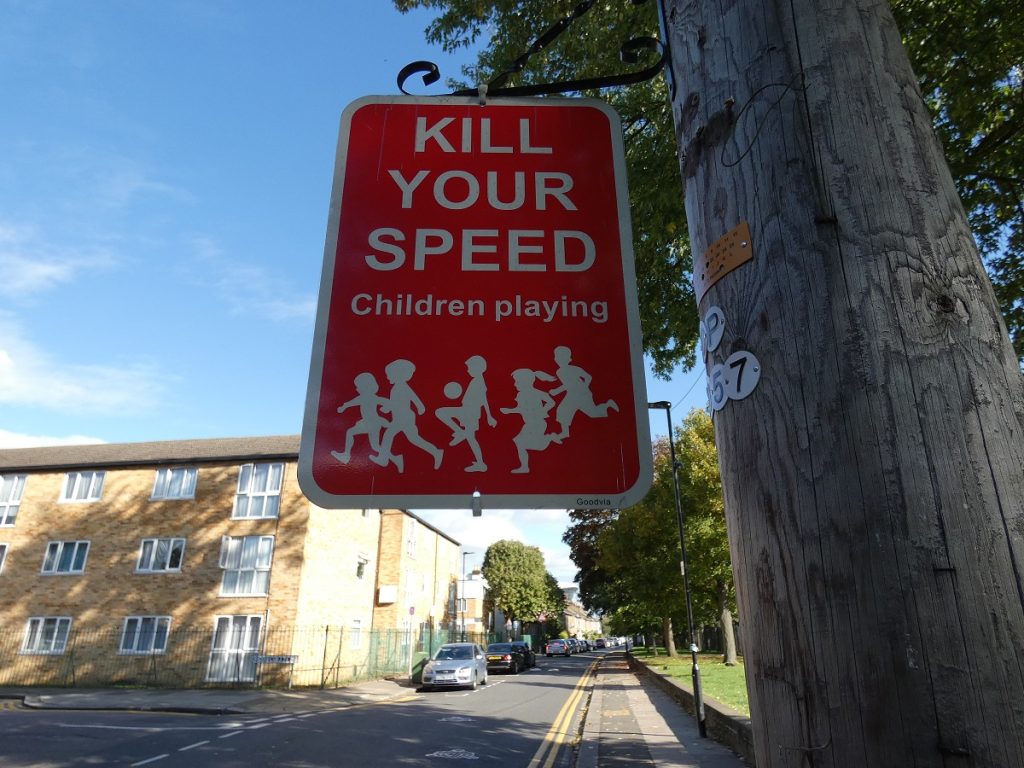
Sir Sadiq Khan has been urged to increase efforts to reduce deaths on London’s roads and transport network after new figures showed just three fewer people were killed or seriously injured in 2024 compared to the previous year.
The London mayor has pledged to eliminate all deaths and serious casualties outright by 2041 as part of his Vision Zero Action Plan. He has also set an interim deadline of 2030 to reduce casualties from the 2010-2014 baseline figure of 4,870 by 70%, to 1,461.
But 3,707 people were killed or seriously injured on London’s roads in 2024, three fewer than the 3,710 victims in the year before and just a 24% reduction from over a decade ago. In their annual Travel in London report this week, Transport for London (TfL) admitted that “more needs to be done” but said it was still the “lowest figure outside the pandemic years”.
Green Party London Assembly member Caroline Russell told the Local Democracy Reporting Service (LDRS): “Bereaved families and Londoners with life changing injuries are paying the unacceptable price of systemic danger on our roads.
“Transport for London knows it is not on track to meet their Vision Zero target of no-one being killed or seriously injured on the road by 2041 and needs to push ahead with urgent measures to reduce road harm. They could roll out 20mph speed limits everywhere, introduce more pedestrian crossings, and fix lethal junctions to reduce traffic danger across London.
“Everyone, especially children, older and disabled people, should be able to cross the road to get to school, catch a bus to work or pick up pint of milk confident they’ll get home safely.”
In 2018, a joint action plan was published by the mayor, TfL and the Metropolitan Police outlining the steps needed to eliminate deaths and serious injuries from the transport network. This included implementing a 20mph limit on all TfL roads within the Congestion Charging Zone by 2020, transforming dangerous junctions and setting tougher safety standards for HGVs and buses.
However, campaigners have argued that driver behaviour and ignoring speed limits is still proving an issue.
Jeremy Leach from safety campaign group Action Vision Zero told the LDRS: “London is ahead of other UK cities in its efforts to reduce road casualties but has a huge amount of work to do to reach the Mayor of London’s 2041 target that no-one will be killed or seriously injured on our roads. The latest version of London’s Vision Zero Action Plan is due out early in 2026.
“To be effective we need to see more drivers sticking to the new lower 20mph speed limits, less traffic, more enforcement of careless and dangerous driving by the Met and much safer town centres and high streets, especially on the roads that TfL manages.”
A spokesperson from Roadpeace, a charity for road crash victims, added: “Any reduction in the number of people killed or seriously injured on London’s roads is positive, yet the latest figures highlight that progress remains limited.
“The data shows London is not currently on course to meet its Vision Zero targets, and this is a reminder of the continued need for sustained focus on road danger reduction. Every serious injury or death has a profound and lasting impact on those affected, and we support all efforts to accelerate improvements in road safety across the capital.”
The mayor has also pledged to end all bus-related deaths by 2030. However, last year 248 people were killed or seriously injured either on or in a collision with a bus – 34% lower than the original figure of 375 annually.
Michael Liebreich, who served on the TfL board between 2012 and 2018, said bus safety was a much larger issue than the transport body was letting on. He told the LDRS: “The way TfL spins the data on bus safety in London is reprehensible.
“TfL buses rarely kill passengers, the vast majority of those killed and injured are vulnerable road users. The reality is that London has the least safe bus system of any major European city, and TfL and the mayor would rather Londoners didn’t know it.”
A spokesperson for Khan told the LDRS: “The mayor remains committed to Vision Zero and has already made significant progress with Transport for London and boroughs across the capital to make our streets safer.
“Action on this includes his Direct Vision Standard, Bus Safety Standard, Cycleways upgrades, 20mph speed limits and recently funding the Road Victim Support service to run for another three years following its successful pilot.
“While the number of deaths on London’s roads remains lower than every year before the pandemic, it is neither inevitable nor acceptable that anyone should be killed or seriously injured when travelling across the capital, and further action is needed to eliminate deaths and serious injuries from our streets.
“The mayor is determined to continue working in partnership with TfL, as well as the police and boroughs to achieve this shared goal as we build a safer, better London for everyone.”
Lilli Matson, TfL’s chief safety, health and environment officer, added: “Our deepest sympathies are with all of those impacted by fatalities and injuries on London’s roads and transport network. Every loss of life and injury is devastating and we have support available for those affected.
“Working alongside the police and local boroughs, our utmost priority is the safety of Londoners and we remain committed to eliminating death and serious injury on the capital’’ roads and transport network.
“There has been an 18% reduction in the number of people killed on London’s roads in 2024 compared to the 2010-14 baseline – a faster reduction than in the rest of Great Britain, with London also recognised internationally as a leader in reducing road danger. However, we recognise that there is much more to do and we are determined to continue working in partnership with the police and the boroughs to end the devastation caused by road danger.”
Local news needs your support
We are proud that we were at the forefront of reporting on the recent local elections. We can’t do this without the support of our readers.
Independent news outlets like ours – reporting for the community without rich backers – are under threat of closure, turning British towns into news deserts.
If our coverage has helped you understand our community a little bit better, please consider supporting us with a monthly, yearly or one-off donation.
ACT NOW!
Monthly direct debit


Annual direct debit

£5 per month supporters get a digital copy of each month’s paper before anyone else, £10 per month supporters get a digital copy of each month’s paper before anyone else and a print copy posted to them each month. £50 annual supporters get a digital copy of each month's paper before anyone else.

More information on supporting us monthly or yearly
More Information about donations



 Enjoying Enfield Dispatch? You can help support our not-for-profit newspaper and website from £5 per month.