

Trent Park House of Secrets tells two contrasting stories of pre-war socialising and wartime intelligence gathering, reports James Cracknell
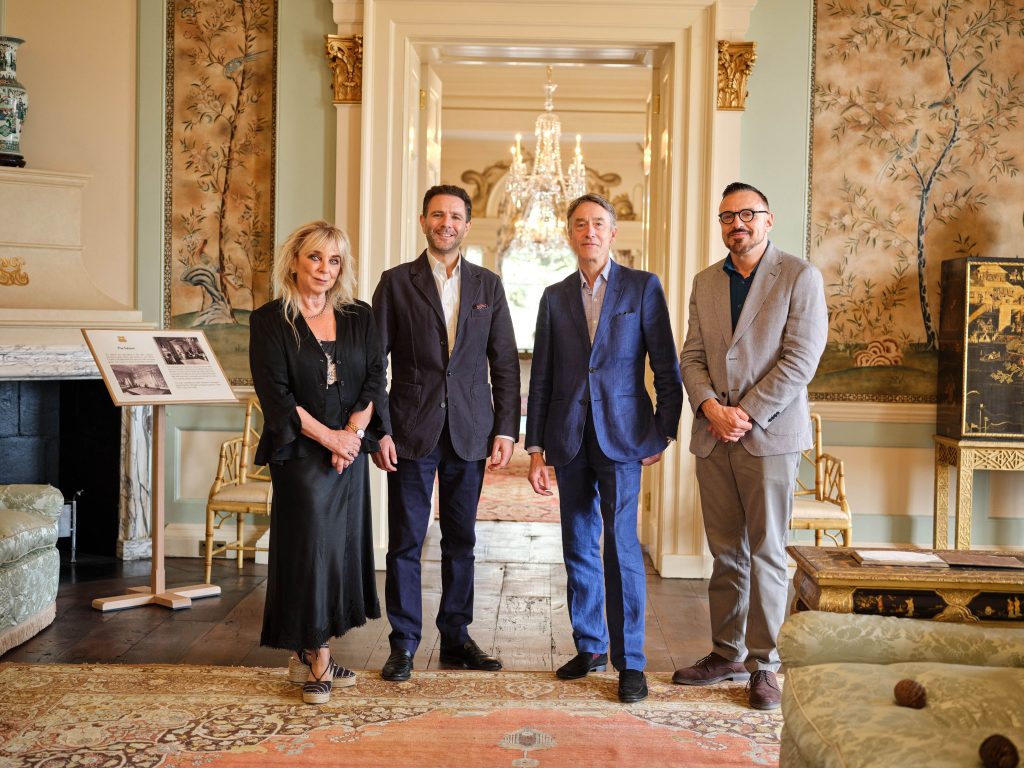
A new Enfield museum celebrating the role played by the ‘secret listeners’ who gathered crucial intelligence during the Second World War opens to the public today (Tuesday 21st) for the first time.
Twelve years after the idea for the museum was first proposed, Trent Park House of Secrets is finally now open for people to explore the incredible – and contrasting – history of the Georgian mansion both before and during the war.
Museum director Giuseppe Albano MBE said it was a “momentous occasion” and an “extraordinary achievement” for the doors to open as he spoke to the press yesterday (Monday 20th) during a press preview event.
“We are right in the middle of living, breathing, history. It [the museum] shows the extraordinary layers of history of Trent Park and the thrilling drama this place has.”
In the 1920s and 30s Trent Park House was the residence of Sir Philip Sassoon, one of the wealthiest men in England, who remodelled it to his taste. As an MP and minister, Sassoon was a close friend of the future Edward VIII and future prime minister Winston Churchill. Political friends, including members of the Royal Family, were entertained at weekends where they mixed with artists and entertainers such as Noel Coward, Charlie Chaplin and Fred Astaire.
Sassoon died in 1939 and the house was soon requisitioned by the government as a centre for intelligence operations. During the Second World War beginning that year, Trent Park House played a key role in Britain’s intelligence operations – comparable in importance to Bletchley Park. Senior German officers were held captive in luxurious surroundings, unaware their conversations were being recorded. Vital information was obtained by bugging devices hidden in walls, light fittings, plant pots, window ledges, a billiard table and garden benches.
Beneath the state rooms, teams of ‘secret listeners’ – including German-speaking Jewish refugees – worked in concealed basement rooms, recording conversations between the captured officers and producing intelligence that gave the Allies a crucial advantage in the war.
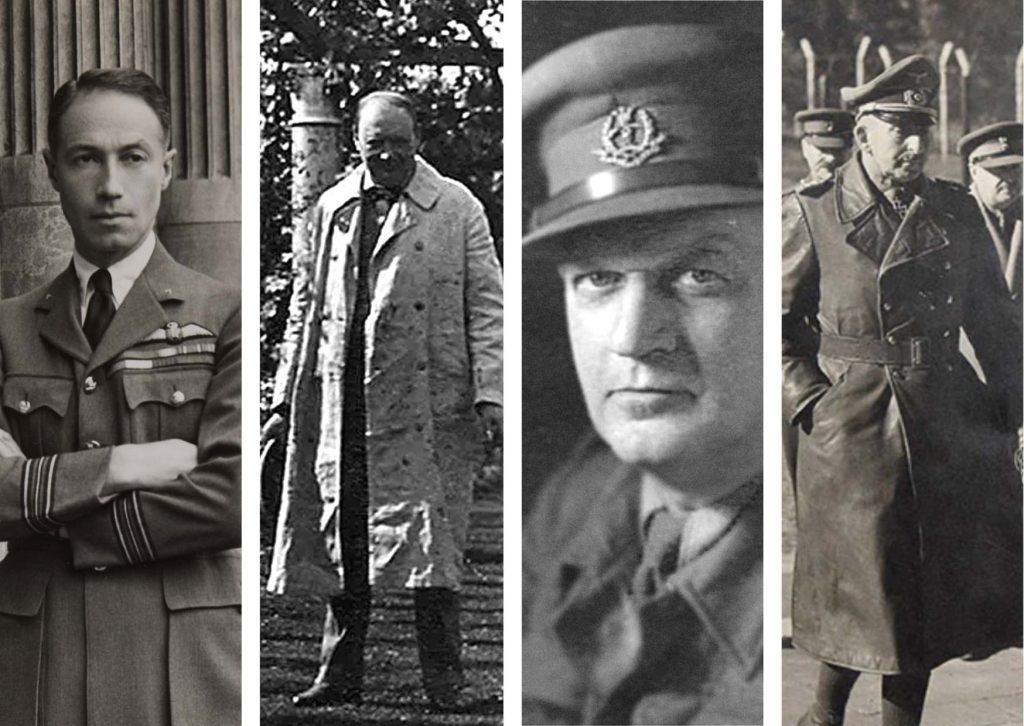
Trent Park House of Secrets now brings together these two strands of history. The state rooms on the ground floor have been restored to their 1930s appearance, with artwork and furnishings belonging to Sassoon returning for the first time since 1939. In the basement the listening stations, offices and working rooms of the secret listeners are recreated with interactive displays, while new classrooms have already begun to be used by local schoolchildren.
Instrumental to the museum’s creation has been Jason Charalambous who, as a Conservative councillor for Cockfosters ward between 2014 and 2018, launched the campaign to save the house, restore it, and open it to the public. He became the founding trustee and chair of Trent Park Museum Trust in 2016.
Speaking to the Dispatch yesterday, Jason said: “If it wasn’t for the local campaign and people who turned up to the meetings and got this through planning, it could have been lost and it could have been a private estate like so many other places.
“We are delighted that so many people took it to heart and now we have so many volunteers as well.”
Funding for the restoration of the building and creation of the museum came from two primary sources; developer Berkeley Homes, which has built hundreds of new homes on the site of the former Middlesex University campus adjacent to Trent Park House, and the National Lottery Heritage Fund. A large number of other funders also contributed.
The museum had originally been due to open several years ago, but Jason explained that the Covid-19 pandemic, rising construction costs, and a “far more complicated” restoration process than had been expected meant the work took a lot longer.
“It wasn’t easy for them [Berkeley Homes] to restore,” Jason explained. “We had Covid-19, there was asbestos to deal with and all of these reasons why it has taken a long time.
“After Covid all museums were struggling and the priority [for funders] was to help existing venues stay afloat. But it [the delay] hasn’t necessarily been a bad thing, it has enabled us to raise the money we needed and importantly to get it right, because it is so important in the local history and developing a sense of pride in Enfield.”
Jason now hopes the museum’s opening will “captivate” visitors from both near and far, “galvanising a community of historians to help us discover more”.
“It is something Enfield should be proud of. As a councillor in 2014 I started this thing and I was determined to see it through.”
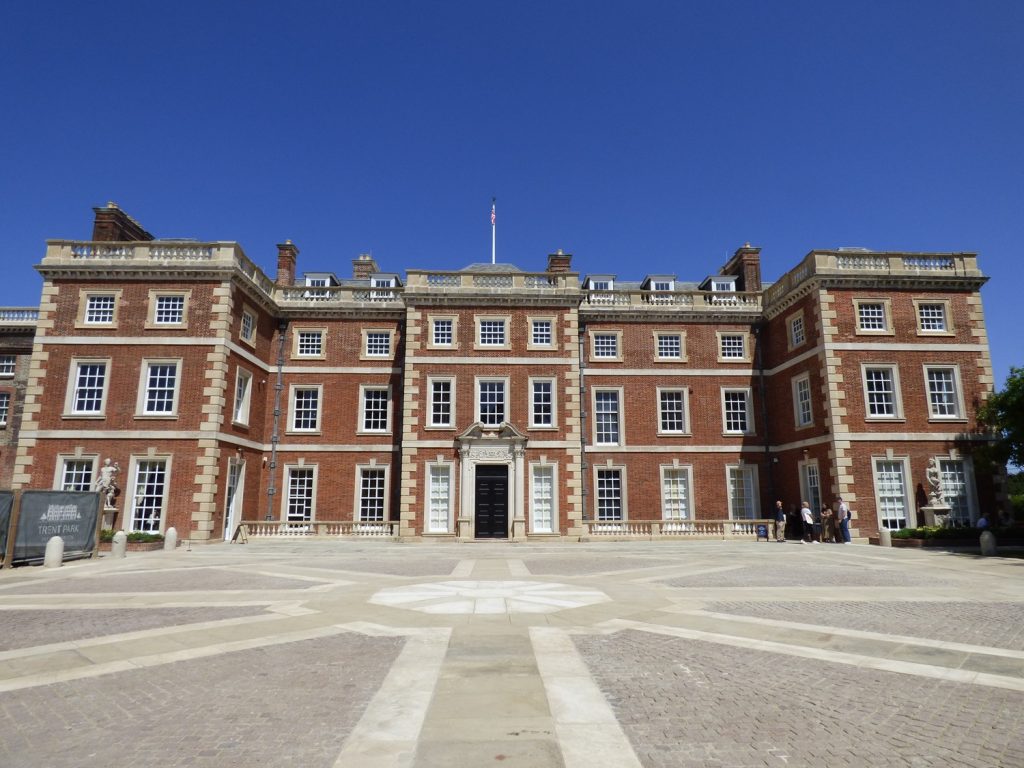
The newly-restored Trent Park House 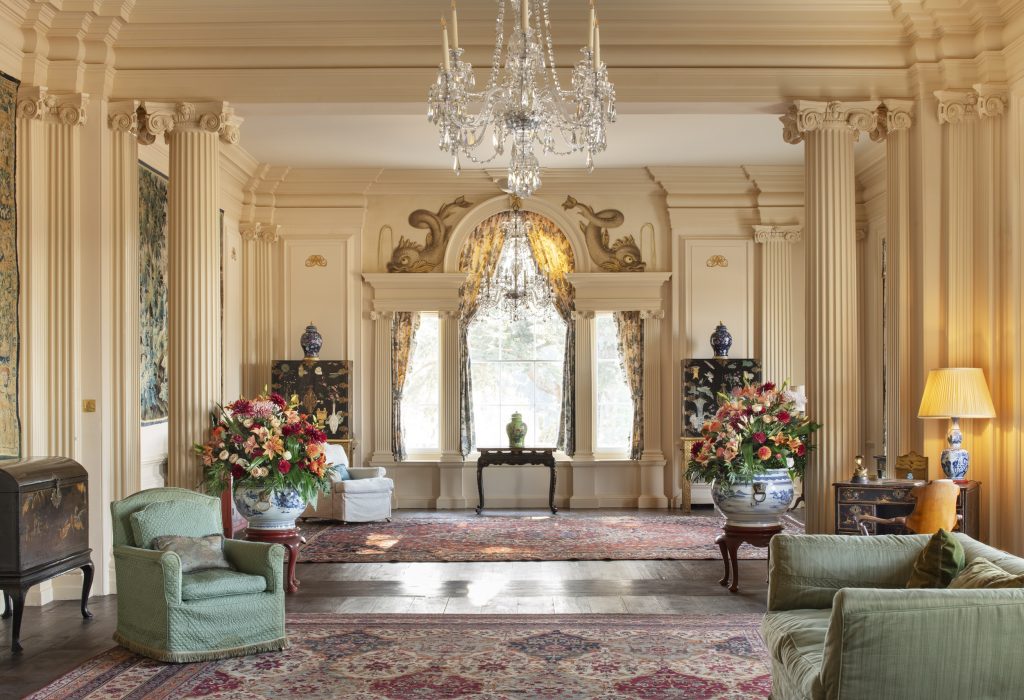
Sir Philip Sassoon’s drawing room has been faithfully recreated (credit James O Davies) 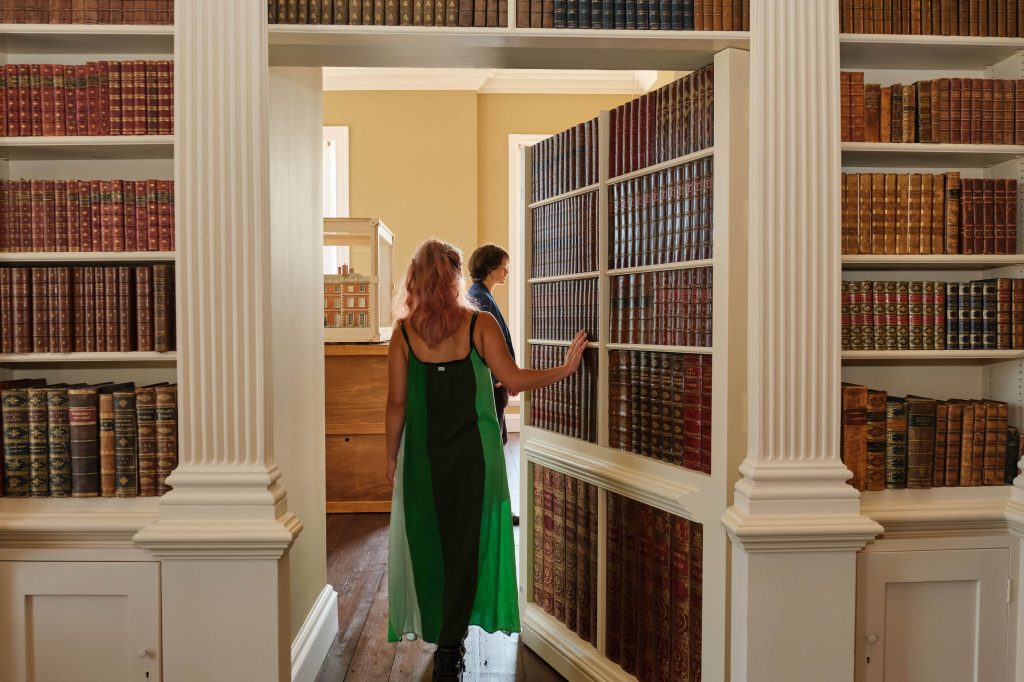
Visitors can walk through a ‘secret’ doorway to reach the wartime listening rooms (credit Michael Leckie PA Media) 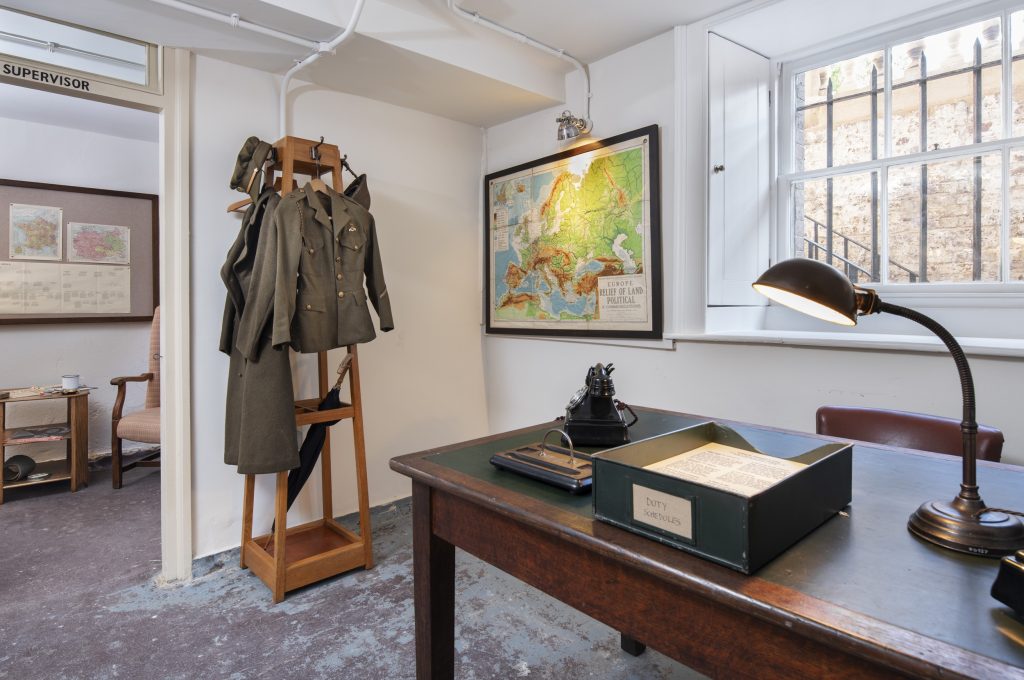
In the basement, there is a recreation of Captain Townshend’s office (credit James O Davies) 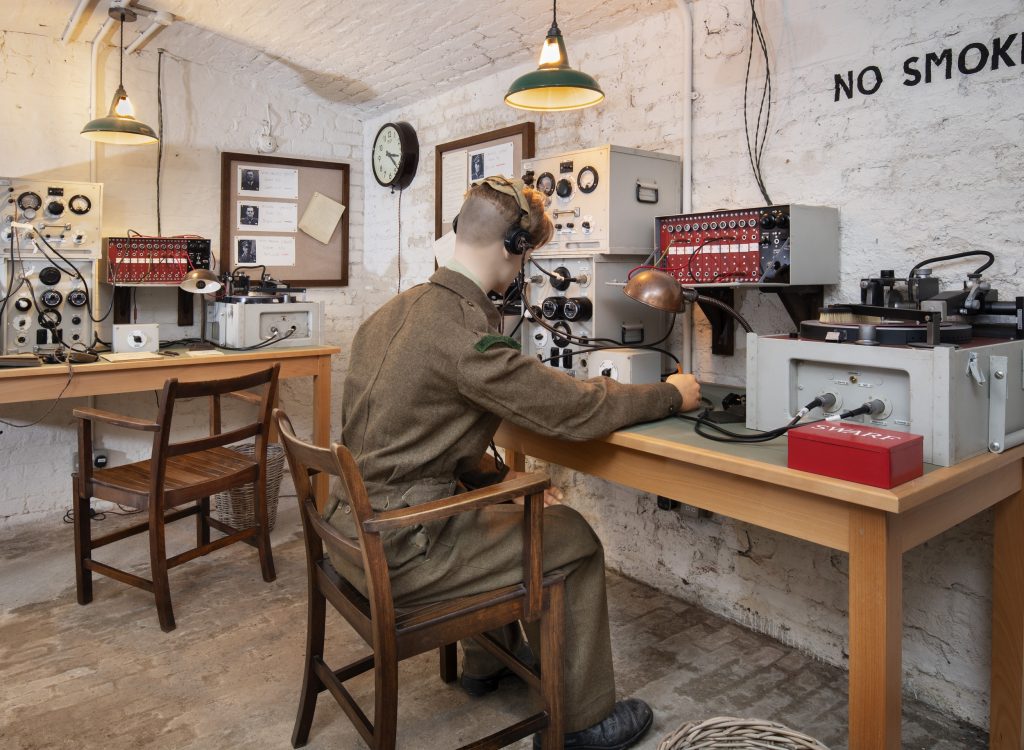
Visitors can learn how the conversations of German prisoners were recorded (credit James O Davies)
There will be a very strong educational aspect to the museum, helping to tell the previously hidden story of the role played by Trent Park’s secret listeners, who gathered intelligence such as the development of V2 rockets, delaying their deployment.
Around Trent Park House, there has also been significant landscaping work to link the building to the wider surroundings of the park.
“Schoolchildren can learn about the Second World War in the morning, and the environment in the afternoon,” Jason said. “It makes the experience much richer, they can have a full day out here.”
The museum is now open from Tuesday to Sunday, 10am–5pm, with entry tickets costing £14 for adults and £12 for children and students. Under-fives can enter for free. Tickets are currently available to book up to six weeks in advance. A new café is also open to those with or without museum tickets.
As previously reported by the Dispatch, visitors to Trent Park House of Secrets can make use of a restored public shuttle bus service between Oakwood Station and the museum, while it is also accessible by foot from Cockfosters Station. Only disabled parking for Blue Badge holders is available at the venue itself, but Trent Park does have two council-run car parks at its entrances in Cockfosters Road and Hadley Road.
For more information and to book tickets:
Visit trentparkhouse.org.uk/products/tickets
Local news needs your support
We are proud that we were at the forefront of reporting on the recent local elections. We can’t do this without the support of our readers.
Independent news outlets like ours – reporting for the community without rich backers – are under threat of closure, turning British towns into news deserts.
If our coverage has helped you understand our community a little bit better, please consider supporting us with a monthly, yearly or one-off donation.
ACT NOW!
Monthly direct debit


Annual direct debit

£5 per month supporters get a digital copy of each month’s paper before anyone else, £10 per month supporters get a digital copy of each month’s paper before anyone else and a print copy posted to them each month. £50 annual supporters get a digital copy of each month's paper before anyone else.

More information on supporting us monthly or yearly
More Information about donations


 Enjoying Enfield Dispatch? You can help support our not-for-profit newspaper and website from £5 per month.