

Matt Burn from campaign group Better Homes Enfield picks through the political forces that make Green Belt development more likely than not
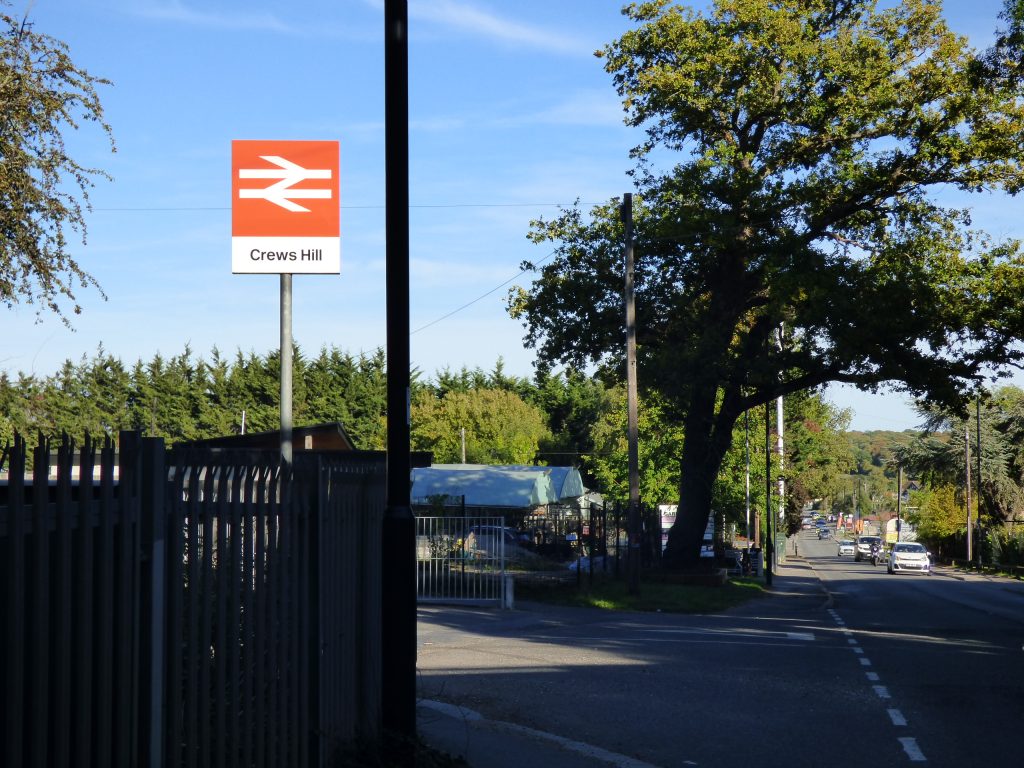
Some people believe that if the proposed ‘new town’ is stopped, Enfield’s Green Belt will not be built on. But the situation is far more complicated than that.
Even if the proposed new town at Crews Hill and Chase Park does not go ahead, changes to national and London-wide policy increase the likelihood of development of the Green Belt. Altogether, there are four different planning processes happening at the same time.
Firstly, there is the council’s proposed new Enfield Local Plan. This plan sets out where new homes, jobs and infrastructure should be located in the borough. It is currently being examined by a planning inspector and still requires modification before it can be formally adopted by the council. As it stands, the draft Local Plan proposes to build around 9,255 homes at Crews Hill and Chase Park combined.
Secondly, there is the ‘new town’. This is a separate government proposal that could see up to 21,000 homes built across Crews Hill and Chase Park. Residents have been given little information about what the new town would involve, but both the government and Mayor of London Sir Sadiq Khan have signalled their strong support for it.
Thirdly, a draft of the mayor’s new London Plan is expected shortly. Previous plans for the capital have sought to protect the Green Belt. The next version may provide weaker protections.
Finally, there are changes to national planning policy. These changes make it far easier to build on Green Belt land than was previously the case. Because these are national rules, Enfield cannot simply ignore them, even if local councillors and residents want stronger protection for the Green Belt.
The important and somewhat confusing point is that these four planning processes are separate but connected. That is why there is uncertainty about what happens next.
Can the council stop the new town?
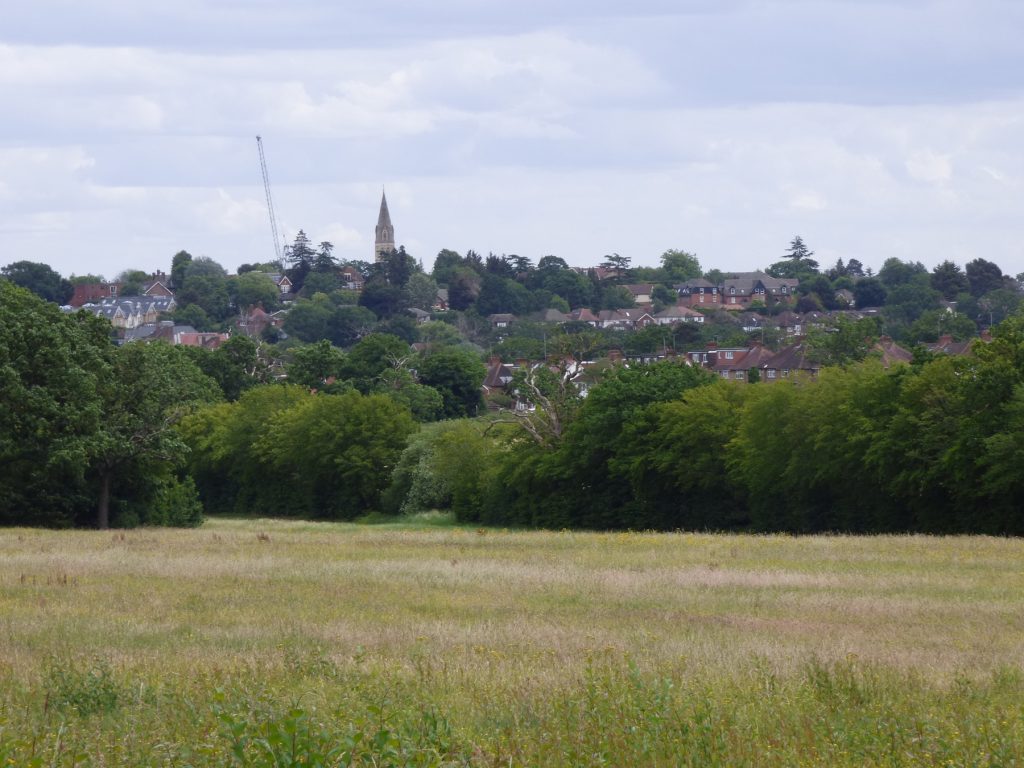
Some residents may hope that if the council rejects the new Local Plan by refusing to adopt it, then that would protect Enfield’s Green Belt from development. But that is not the case.
Even if councillors choose not to adopt the plan, Enfield will still need a replacement Local Plan. Any replacement plan would have to be prepared in accordance with the latest national and London planning policies. This would probably create even greater pressure for Enfield’s Green Belt to be built on.
In short, refusing to adopt the Local Plan would not automatically prevent development of the Green Belt. Nor would it stop the proposed new town.
The council can oppose the new town, but it cannot be assumed that opposition alone will stop it.
In May, the council’s new minority Conservative administration announced that it was withdrawing support and argued that it had been elected on a mandate to protect Enfield’s Green Belt.
However, in response the government has already signalled that decisions about the new town at Crews Hill and Chase Park will be taken in the national interest. If ministers remain committed to the new town, they can seek ways to progress it, regardless of the council’s opposition, and regardless of the wishes of Enfield’s voters.
The council can oppose the new town and make delivery more difficult, but it does not have a veto.
Many residents hope that all of Enfield’s Green Belt can be protected from development. However, changes to national planning policy mean that there will still be pressure to build on it, regardless of what happens with the draft Local Plan or the proposed new town.
Finding a way forward
At Better Homes Enfield, we think the evidence shows that there are sufficient brownfield sites to meet Enfield’s housing needs for the foreseeable future, and that building these homes quickly should be the priority.
Neither the government nor the London mayor appear to agree.
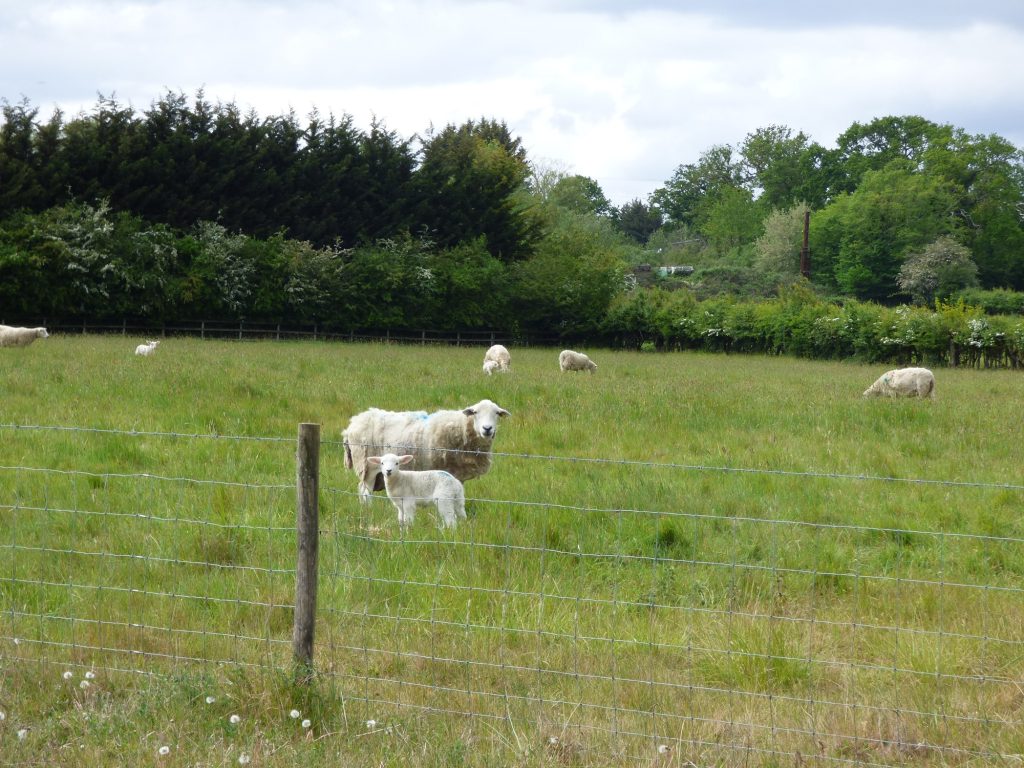
In the current national political climate, the potential development of some Green Belt land is probably unavoidable. We think that the focus now should be on finding ways to protect the areas that matter most to residents, including historic and valued landscapes, open spaces, places used for recreation, farmland, local businesses, and important natural habitats.
Achieving that may require difficult choices about developing some areas of the Green Belt that would cause the least harm and which could deliver the type of genuinely affordable homes Enfield needs.
This may not be what everyone wants. But the challenge Enfield faces is how to respond to a national planning regime that is outside of its control.
The future is uncertain. Whatever happens now, the very least Enfield’s residents deserve is clear information, honest debate, robust and accurate evidence, and a meaningful say in decisions that will affect the borough for decades to come.
Unfortunately, we haven’t had that yet. Hopefully, it is still to come.
Local news needs your support
We are proud that we were at the forefront of reporting on the recent local elections. We can’t do this without the support of our readers.
Independent news outlets like ours – reporting for the community without rich backers – are under threat of closure, turning British towns into news deserts.
If our coverage has helped you understand our community a little bit better, please consider supporting us with a monthly, yearly or one-off donation.
ACT NOW!
Monthly direct debit


Annual direct debit

£5 per month supporters get a digital copy of each month’s paper before anyone else, £10 per month supporters get a digital copy of each month’s paper before anyone else and a print copy posted to them each month. £50 annual supporters get a digital copy of each month's paper before anyone else.

More information on supporting us monthly or yearly
More Information about donations



 Enjoying Enfield Dispatch? You can help support our not-for-profit newspaper and website from £5 per month.