

Removal of safer schools officers and youth engagement and diversion officers blamed by London Assembly members for rising distrust, reports Kumail Jaffer, Local Democracy Reporter
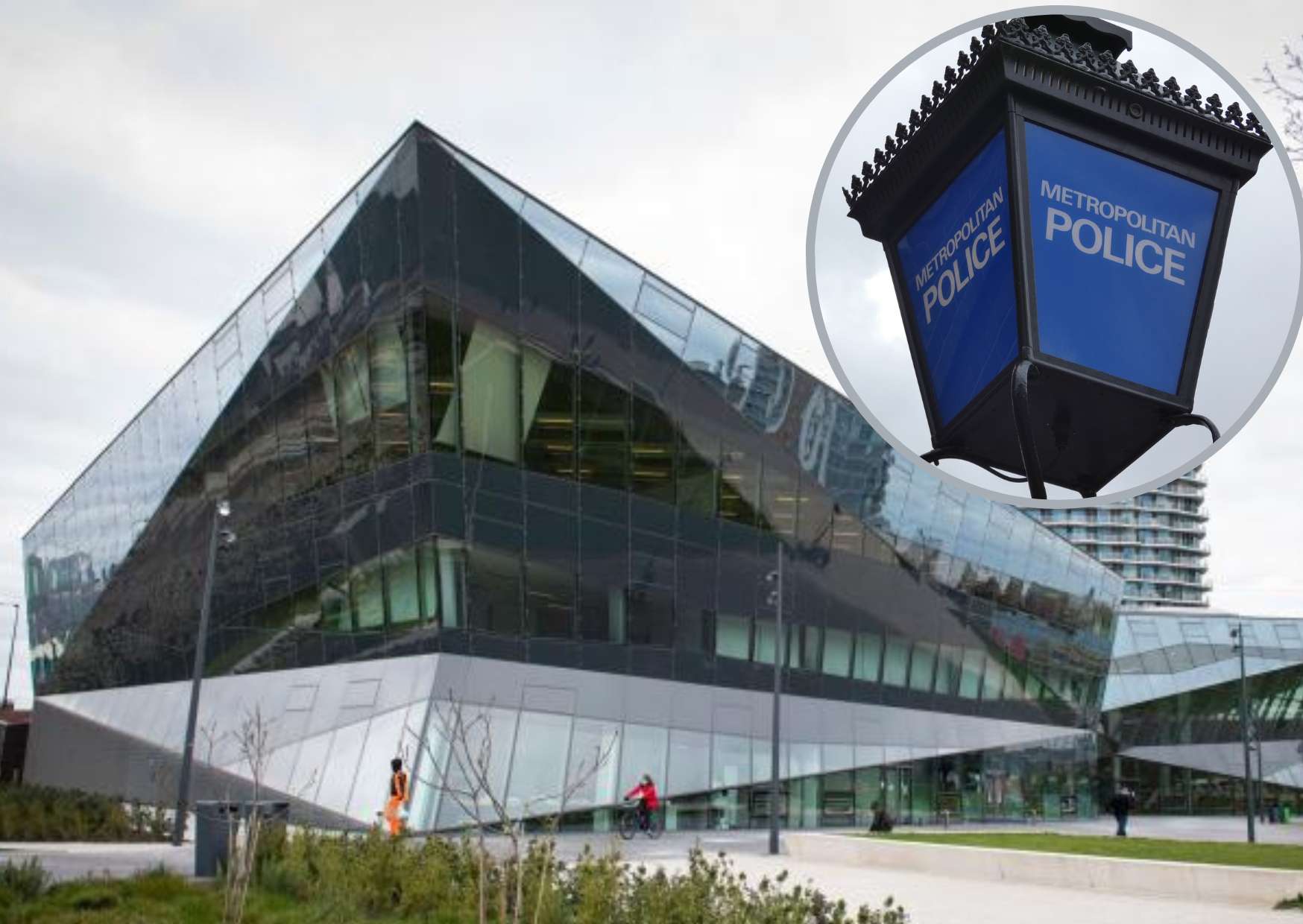
Too many young Londoners do not trust the police or feel safe in their local area, the Metropolitan Police Service has been told.
The force published a children’s strategy in September 2024, marking a new approach to policing focused on youth safeguarding and trust building.
However, cuts and changes to youth-based neighbourhood policing – including the removal of safer schools officers (SSOs) and youth engagement and diversion officers (YEDOs) – have created greater detachment between young people in London and the Met Police, according to the London Assembly’s police and crime committee.
The cross-party group of assembly members have released a report yesterday (Tuesday 10th) calling for an annual, city-wide survey of young Londoners that would inform the Met on how to police and interact with them.
Committee chair Marina Ahmad said: “Ensuring our children feel safe, both in their communities and at school, must be a priority for the Met.
“Understanding the views of young people on what fears they have is key to building a strong sense of trust and confidence in the Met.
“However, their views are not being sought regularly by Mopac [Mayor’s Office for Policing and Crime], meaning children can feel alienated or not listened to. Having up-to-date data means the Met and Mopac have a better understanding of the fears and concerns young people have.
“The Met’s child-first approach is something we support, but we have concerns around the support being provided to young people by the police, and how safe they feel in their communities.
“Our recommendations within this report could help bring young people and the police closer together, and help build more trust and confidence.”
The investigation, launched in July, found that young Londoners “feel they are not believed by the police, and that they are seen as a suspect first, regardless of their reason for coming into contact” with officers.
Assembly members suggested cuts in the Met budget to youth-based neighbourhood policing – which includes the controversial removal of SSOs, branded “catastrophic” by one school principal – could “result in a poorer relationship between the Met and many young Londoners”.
In its children’s strategy, the Met claims it will build stronger relationships with London’s children, design better prevention strategies, strengthen links between neighbourhood teams and education settings and take a take a ‘child first’ approach to policing which would develop relationships that will “last into adulthood”.
The committee acknowledged the force is trying to change their approach to young people, but must engage in a “concerted effort to measure the impacts of this”.
Some of the eleven recommendations include an annual, London-wide survey to comprehend young people’s sense of safety and confidence in policing and the formation of a clear local youth engagement plan from every neighbourhood policing team.
It also encouraged the Met to outline how work previously carried out by SSOs and YEDOs will now be undertaken by other officers.
Helping young people feel safe in their own neighbourhoods must be a key priority, Assembly Members added.
A 2022 survey released by Mopac showed that one in ten young people felt unsafe at school, climbing to one in five when it came to the local area.
Fear of crime – especially hate crime, weapons and gangs – was one of the main reasons for young Londoners feeling uneasy where they lived.
The Met Police were contacted for comment.
Local news needs your support
We are proud that we were at the forefront of reporting on the recent local elections. We can’t do this without the support of our readers.
Independent news outlets like ours – reporting for the community without rich backers – are under threat of closure, turning British towns into news deserts.
If our coverage has helped you understand our community a little bit better, please consider supporting us with a monthly, yearly or one-off donation.
ACT NOW!
Monthly direct debit


Annual direct debit

£5 per month supporters get a digital copy of each month’s paper before anyone else, £10 per month supporters get a digital copy of each month’s paper before anyone else and a print copy posted to them each month. £50 annual supporters get a digital copy of each month's paper before anyone else.

More information on supporting us monthly or yearly
More Information about donations






 Enjoying Enfield Dispatch? You can help support our not-for-profit newspaper and website from £5 per month.