

Royal Free London NHS Foundation Trust facing huge backlog of repairs across its 14 sites, reports Adam Care, Data Reporter
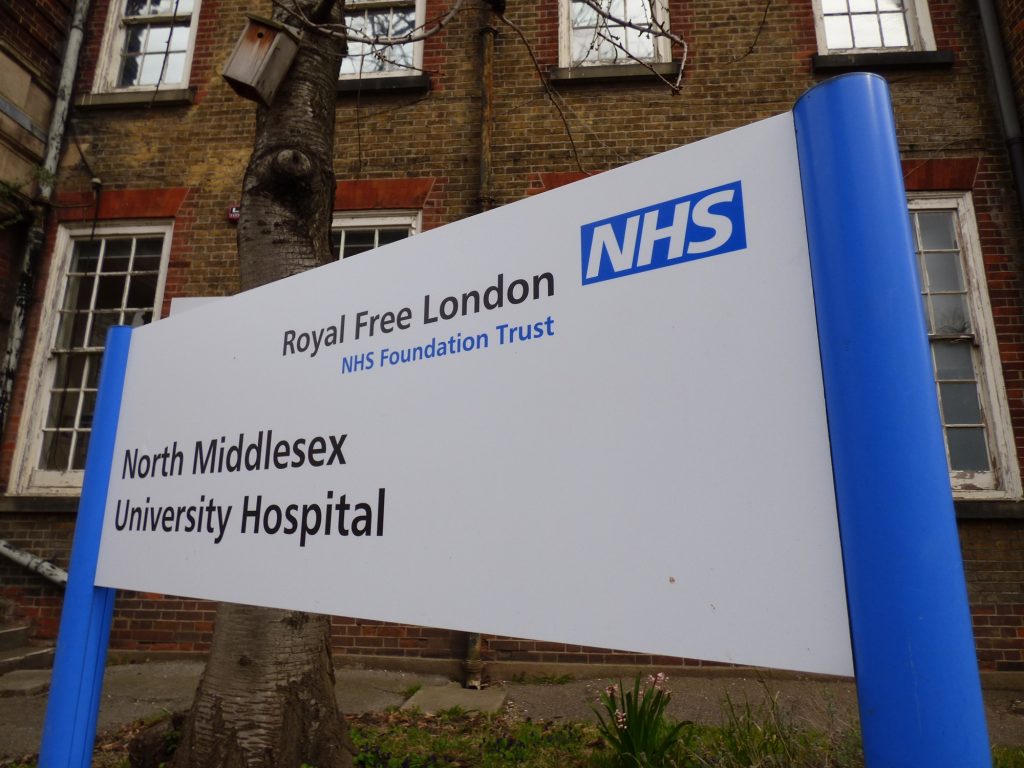
A repair bill for the maintenance backlog at the NHS hospital trust serving Enfield stands at more than £150million, new figures suggest.
NHS England figures for the year to April suggest it would cost around £151.7m to fully repair all known maintenance issues across 14 sites operated by Royal Free London NHS Foundation Trust.
In response Healthcare sector think tank The King’s Fund warned that “decrepit NHS buildings have a real and detrimental impact on patient care” and called on the government to be honest about the “tough trade-offs” around funding that lie ahead.
After taking over North Middlesex University Hospital in Edmonton at the start of this year, Royal Free London manages four major hospitals, also including Chase Farm Hospital in Enfield and Barnet Hospital, plus a number of smaller sites dotted around North London.
Last month, Royal Free apologised over long-running maintenance issues with the lifts at North Mid that were causing access issues for patients and visitors.
The most expensive site within the trust, however, remains Royal Free Hospital in Camden, which has an estimated maintenance bill of £130.8m.
Across England, the total cost of eliminating all outstanding NHS maintenance issues was approximately £15.9billion, up 16% on around £13.8bn last year.
The figures account for ‘backlog maintenance’, the estimated cost to restore a building to a certain state based on assessed risks. It does not include planned maintenance work yet to happen.
These figures also only account for NHS providers of secondary care – including hospitals, mental health trusts and ambulances.
But Siva Anandaciva, director of policy, events and partnerships at The King’s Fund, warned GP practices are also “deteriorating”.
“These outdated practices risk undermining government’s ambitions to shift more care closer to the community,” he said.
“To develop a more preventative and community-based NHS, the government may need to focus any future growth in capital investment into the new neighbourhood health service, while being honest that more hospital estates may continue to go into managed decline in the meantime as a result.”
The data also reveals the cost of the most urgent ‘high risk’ repairs at the Royal Free London is around £67.7m.
A recent report by NHS Providers, which represents NHS services in England, said boosting investment in health infrastructure would benefit both the NHS, and the national economy.
Chief executive Daniel Elkeles said: “We can’t keep wasting eye-watering sums to prop up ageing buildings and equipment not fit for purpose. Critical parts of the NHS are falling to bits, literally.
“The safety of patients and staff is at risk from leaks, floods and other faults that cause operations and appointments to be postponed.
“We need to be able to spend more of the NHS budget on up-to-date facilities and technology to tackle the huge and growing repairs bill and to make the NHS as modern as possible.”
The organisation has called on Chancellor Rachel Reeves to change “rigid government capital spending rules” in her upcoming budget, which it said would “unlock billions of pounds of extra funding”.
Nationally, it cost £14billion to run the NHS secondary care estate in the year to April. A Department of Health and Social Care spokesperson said individual NHS organisations are legally responsible for maintaining their estates.
They added: “This government inherited a broken NHS, with the hospital estate left to crumble.
“We’re investing £30bn over five years for maintenance and repairs, with over £5bn specifically for the most critical cases, to make inroads into the backlog across the NHS estate.
“We will provide the investment and reform needed to get patients the care they deserve, in hospital buildings fit for purpose.”
Local news needs your support
We are proud that we were at the forefront of reporting on the recent local elections. We can’t do this without the support of our readers.
Independent news outlets like ours – reporting for the community without rich backers – are under threat of closure, turning British towns into news deserts.
If our coverage has helped you understand our community a little bit better, please consider supporting us with a monthly, yearly or one-off donation.
ACT NOW!
Monthly direct debit


Annual direct debit

£5 per month supporters get a digital copy of each month’s paper before anyone else, £10 per month supporters get a digital copy of each month’s paper before anyone else and a print copy posted to them each month. £50 annual supporters get a digital copy of each month's paper before anyone else.

More information on supporting us monthly or yearly
More Information about donations





 Enjoying Enfield Dispatch? You can help support our not-for-profit newspaper and website from £5 per month.