

Following recent chaos from leaking pipes in the borough, Enfield North MP Feryal Clark spoke at a debate on water industry nationalisation this week
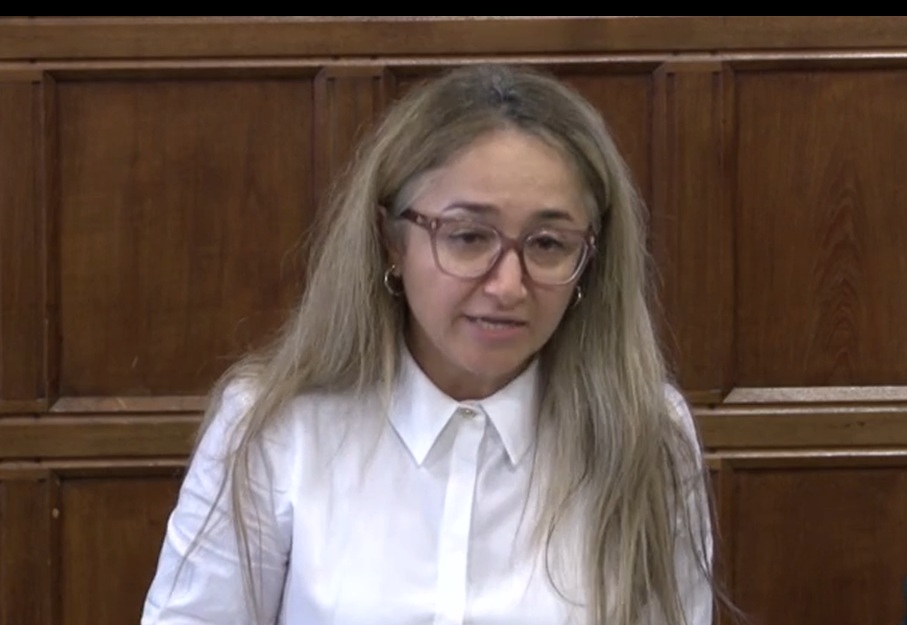
An Enfield MP addressed a parliamentary debate calling for a referendum on nationalising the water industry – telling fellow MPs about the recent chaos caused locally by Thames Water.
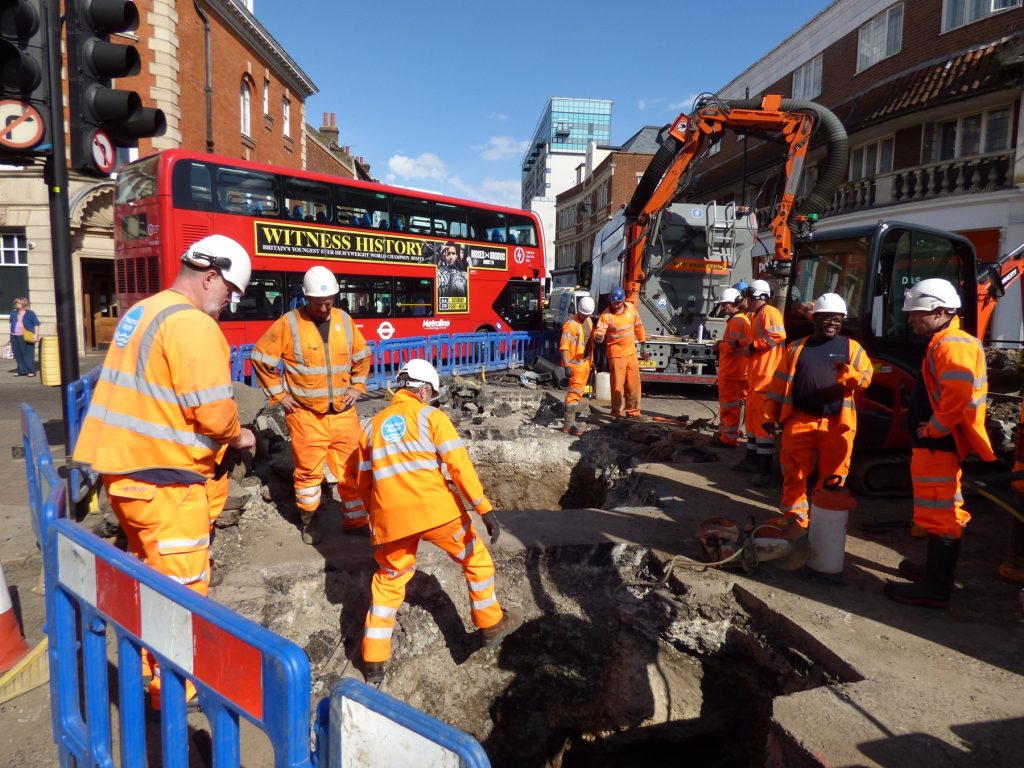
Enfield North MP Feryal Clark called the five-day incident in August, when 4,500 properties were impacted by a burst main in Bramley Road and Chase Farm Hospital was forced to cancel routine operations, as “unacceptable” and questioned whether Thames Water was prioritising the best interests of its customers – suggesting the company might consider its shareholders to be more important instead.
The incident in August was followed by another major leak in early September, in Enfield Road. This also lasted five days, as Thames Water struggled to even locate the leak. Although fewer properties were affected, the incident again hit supplies at Chase Farm.
Both major leaks in August and September came towards the end of a prolonged period of hot and dry weather. The Bramley Road leak was attributed by Thames Water to “dry ground” shifting and causing cracks to the water main. The company apologised for the disruption caused and said it wished to “sincerely thank everyone affected for their patience and understanding”.
The Westminster Hall debate on the water industry on Monday (14th) was prompted by 208,000 people signing a petition calling for a referendum on nationalising the water industry.
Clark told the debate: “When a failure in our water infrastructure can disrupt NHS treatment, we are no longer talking simply about poor customer service. We are talking about critical national infrastructure.
“And what made this incident [in August] particularly unacceptable was not simply that a pipe burst. Infrastructure can fail, we all know that. It was what happened afterwards.
“My constituents faced conflicting information about whether their water would return. They struggled to contact Thames Water. Bottled water stations were placed in places that were extremely difficult for elderly and disabled residents to reach without a car.
“When I raised the issue with Thames Water, their response was extraordinary. They said ‘it’s not uncommon for us to set up bottled water stations in London areas without considering residents without a vehicle’.
“Think about that – an essential utility responding to an emergency affecting thousands of people admits it doesn’t routinely consider whether vulnerable customers can actually reach emergency water it provides.
“If an essential service fails, surely the absolute minimum people should expect is to be told what has happened, what they should do, where they can get help, and when it should be fixed. That experience inevitably raises a much bigger question: who is our water industry ultimately being run for?”
Thames Water is currently owned by a consortium including a Chinese sovereign wealth fund and a Canadian pension fund. According to campaign group We Own It, the firm has paid a total of £10.4billion in dividends to shareholders since privatisation in 1989, while debts have reached £14.7bn. The campaign also points out that 28% of bill revenue from Thames Water customers is spent on servicing debt.
Prime Minister Andy Burnham has previously expressed support for nationalising the water industry, calling it a “leaking monument” to failed policies, but also admitted this month it would be “very difficult” to bring it back into full public ownership, because of high debts.
Addressing MPs at the end of Monday’s Westminster Hall debate, Burnham’s water minister Emma Hardy said: “It is horrific we have ended up in this situation, but I am delighted to [soon] bring forward a water bill that meets the political moment and appetite for change, and very delighted that we are closer to that with the change in prime minister, opening up options that were previously not available.
“Suddenly, more things are on the table.”
However, Hardy would not commit to nationalisation. She continued: “Apologies in advance for being an irritating politician who is not going to give specific answers, but that is because we are working through things right now, across government, to bring forward a bill that meets that appetite for change.”
Enfield Southgate MP Bambos Charalambous has also called on Thames Water to be nationalised, writing to Environment Secretary Angela Eagle and describing the privately-owned utility company’s recent record as “particularly concerning”. The Labour MP said he wanted Thames Water to be “brought into stronger public ownership, either permanently or initially through a special administration”.
At this week’s debate, Charalambous also addressed MPs and the minister directly and said: “The current model for our water service is not working for customers and has not been working for quite some time. My constituents have watched their bills rise again and again while Thames Water falls further into debt and water bosses are rewarded with huge bonuses, despite failing to invest in critical infrastructure and allowing more sewage pollution into our rivers, lakes and streams.”
It comes as the Consumer Council for Water’s household complaints report reveals complaints from household customers escalated to the watchdog increased by 84% in 2025/26, up to 15,115 from 8,235 in the previous year.
It marks the steepest year-on-year rise in CCW’s 20-year history.
The overall number of complaints made by households directly to their water company also climbed by 56% to 321,347 in 2025/26 from 205,853 in 2024/25.
The sharp rise was primarily driven by growing concerns over bills, with complaints made to water companies about billing increasing by 72% and almost doubling (up 97%) among the cases brought to CCW.
Thames Water loses around 570 million litres of water per day, although the company claims to have reduced leaks by 15% since 2019. The company has also twice been prosecuted by Enfield Council in the past two years over unauthorised roadworks, being forced to pay a total of more than £70,000 for multiple rule breaches.
Regarding the August incident in Enfield, the company said: “We appreciate how disruptive this incident has been and sincerely thank everyone affected for their patience and understanding while our teams worked to restore supplies and complete the repair.
“We’re sorry for the disruption caused and thank you for your continued patience.”
Before Burnham became prime minister, Thames Water investors warned the Labour government that a temporary nationalisation of the struggling company would slow its financial recovery.
Watch the full Westminster Hall debate on the water industry:
Visit parliamentlive.tv
Local news needs your support
We are proud that we were at the forefront of reporting on the recent local elections. We can’t do this without the support of our readers.
Independent news outlets like ours – reporting for the community without rich backers – are under threat of closure, turning British towns into news deserts.
If our coverage has helped you understand our community a little bit better, please consider supporting us with a monthly, yearly or one-off donation.
ACT NOW!
Monthly direct debit


Annual direct debit

£5 per month supporters get a digital copy of each month’s paper before anyone else, £10 per month supporters get a digital copy of each month’s paper before anyone else and a print copy posted to them each month. £50 annual supporters get a digital copy of each month's paper before anyone else.

More information on supporting us monthly or yearly
More Information about donations






 Enjoying Enfield Dispatch? You can help support our not-for-profit newspaper and website from £5 per month.