

Jim Wasswa and Paul Everitt speak to Karen Heley and Ashley Phoenix about the lifelong impact of trauma, the pain of not being believed, and why survivors say the systems designed to help them are too often causing further harm
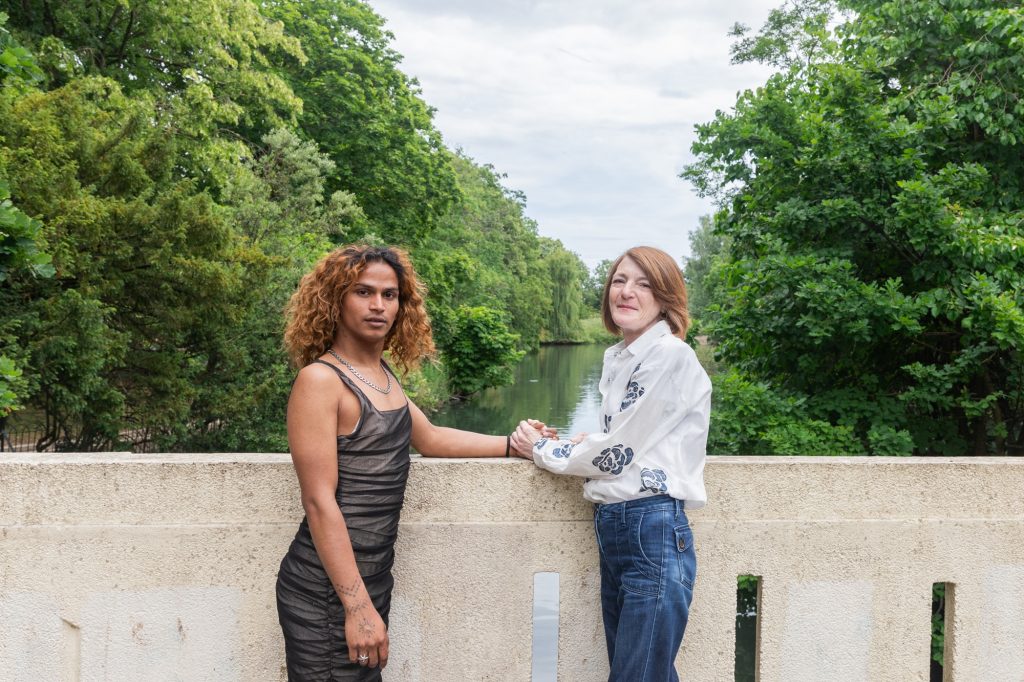
For Karen Heley, trauma is one word: overwhelming.
For Ashley Phoenix, trauma is not simply something that happened in the past. It is what happens when a person is left feeling unsafe, powerless, alone and unheard.
Together, their experiences expose an uncomfortable truth: for many survivors, the greatest damage is not only caused by the original trauma, but by what happens when they finally find the courage to speak about it and nobody listens.
Karen has spent years living with the consequences of childhood trauma. Flashbacks, sleepless nights, damaged relationships and overwhelming emotional distress have shaped her daily life. Yet despite being assessed by professionals and repeatedly told she needs specialist long-term trauma therapy, she is still waiting.
Eight years after a professional recommendation for one-to-one trauma therapy, Karen has never received it.
For Karen, the experience of repeatedly disclosing trauma only to be dismissed, redirected or offered inappropriate support has created a second wound. Survivors often spend years questioning themselves because others have questioned them first. “When people don’t believe you, you start doubting yourself,” she explains. “You begin asking yourself whether it really happened.”
This is one of the cruellest realities of trauma. Many survivors carry shame, guilt and self-doubt for years. When professionals, services or even families fail to listen, those feelings are reinforced. The result is not healing but re-traumatisation.
Instead of finding safety, survivors are forced to relive experiences of powerlessness.
Instead of feeling heard, they are made to repeat painful stories to different professionals. Instead of receiving specialist support, they are moved between services that cannot agree who should help them.
Ashley believes this happens because systems continue to focus on diagnoses rather than understanding trauma itself.
“Trauma isn’t just the event,” she says. “It impacts trust, relationships, identity and how people experience the world.”
She argues that services often fail to recognise that being ignored, disbelieved or excluded from decisions can recreate the very conditions that trauma survivors are trying to recover from. A person who has spent years feeling powerless can be re-traumatised by systems that make decisions about them, without them.
Both Karen and Ashley believe trauma-informed practice must become more than a slogan. Listening is not an optional extra. Believing people is not a luxury. It is the foundation of recovery.
Yet, too many survivors encounter long waiting lists, fragmented services and professionals who treat trauma as a category rather than a lived reality.
The consequences are profound. Relationships break down. Physical health deteriorates. People struggle with sleep, work, trust and self-worth. Some spend years blaming themselves for things that were never their fault.
The message from Karen and Ashley is simple, but urgent: trauma services must stop asking survivors to prove their pain.
People need long-term, trusted therapeutic relationships. They need services designed with people who have lived experience. They need professionals who understand that disclosure takes immense courage.
Most of all, they need to be believed.
Because when a survivor finally finds the strength to speak, not listening is not a neutral act. It can become another trauma in itself.
Karen Heley and Ashley Pheonix are lived experience advisors to LocalMotion Enfield
This article is published with support from LocalMotion Enfield, part of a UK-wide movement for community-led change

Local news needs your support
We are proud that we were at the forefront of reporting on the recent local elections. We can’t do this without the support of our readers.
Independent news outlets like ours – reporting for the community without rich backers – are under threat of closure, turning British towns into news deserts.
If our coverage has helped you understand our community a little bit better, please consider supporting us with a monthly, yearly or one-off donation.
ACT NOW!
Monthly direct debit


Annual direct debit

£5 per month supporters get a digital copy of each month’s paper before anyone else, £10 per month supporters get a digital copy of each month’s paper before anyone else and a print copy posted to them each month. £50 annual supporters get a digital copy of each month's paper before anyone else.

More information on supporting us monthly or yearly
More Information about donations




 Enjoying Enfield Dispatch? You can help support our not-for-profit newspaper and website from £5 per month.