

Researcher Hali Healy, from Enfield Climate Action Forum, on how we can protect the borough as the risk of wildfires grows
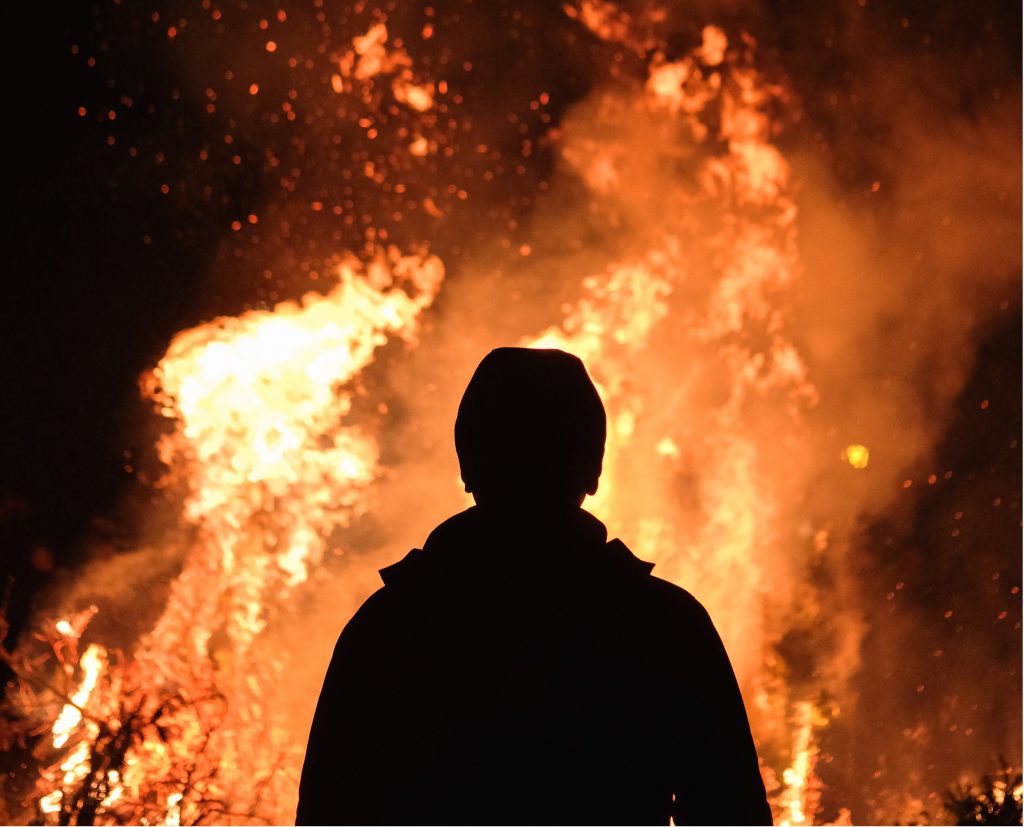
Following an unprecedented number of heatwaves across the UK this year, we at Enfield Climate Action Forum (EnCaf) recently held a webinar to discuss wildfires and local risk preparedness.
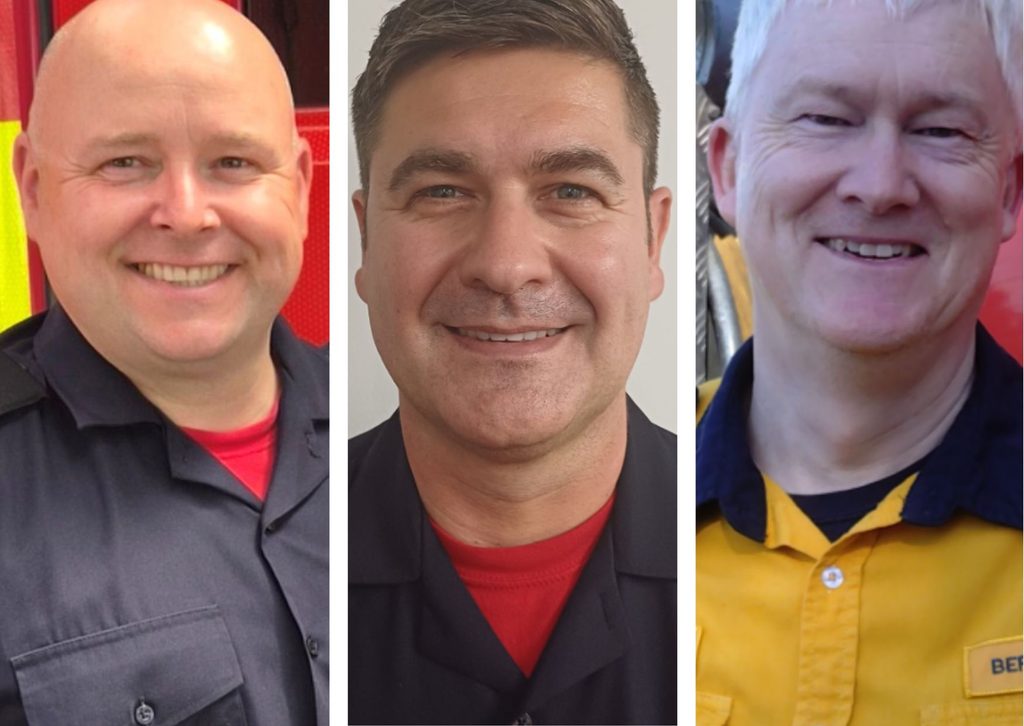
Guest speakers included two Enfield firefighters, Commander Phillip Swallow and Andrew Holtzhausen of London Fire Brigade, as well as Richard Boniface, a firefighter in Australia. All have extensive experience of managing wildfires, and particularly grassfires, which increasingly threaten urban and rural areas.
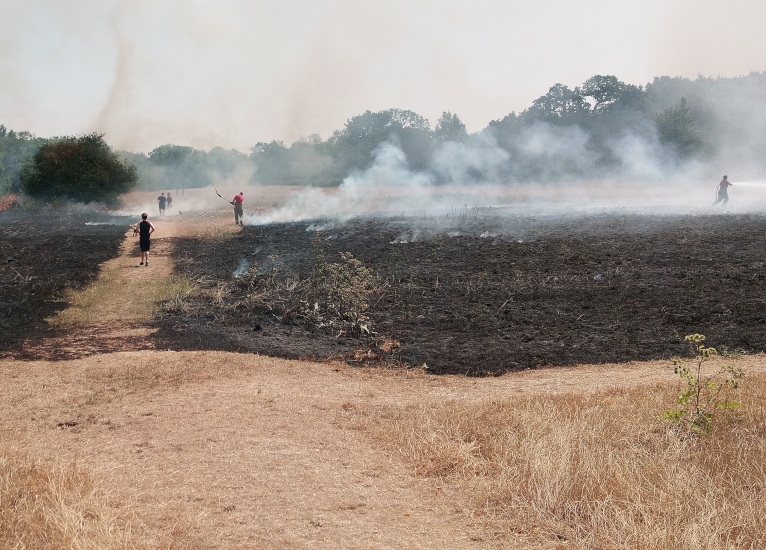
The risk of wildfire – defined as having flames of at least 1.5 metres, requiring four or more appliances for four hours to douse – is on the rise across the UK and in Enfield. According to Cmdr Swallow, 63 separate grassfires burned across London on just one day in 2025, twelve of which required over four appliances to be put out.
Enabled by increasing temperatures and drought, wildfires have been recognised as a national risk. Fire services have, accordingly, improved training and responses, and invested in new equipment, such as personal protective equipment for firefighters and all-terrain vehicles that can distribute water while moving.
But understanding where the risks lie, and working to prevent fires in the first place, Cmdr Swallow emphasised, is key.
Prevention starts in and with communities
Preventative measures such as fuel management, ensuring access, and public education are essential.
These risks are very real, emphasised Holtzhausen, so while we want the public to be enjoy parklands, we need strong messaging, for example around not using barbecues, and how to dispose of cigarettes.
In more rural areas, landowners and farmers can do risk assessments, manage vegetation, and ensure access points, gates and security codes are known to fires services.
In built-up areas landlords, councils and citizen’s networks also have a role, clearing vegetation and rubbish before they become problematic. Where there are alleyways or other inaccessible spaces it’s important to identify where people at risk are, and make sure their smoke alarms work.
Holtzhausen added: “We have a community engagement team using different channels to give out consistent messaging, and we always support people, but it’s about prevention rather than the cure.”
Lessons from Australia
Richard Boniface, a firefighter in Australia, also spoke of the importance of working with communities to reduce risk. Although Australia is very different from the UK in terms of landscape and scale, he stated, there were similar challenges and priorities.
Water supply for firefighting in Australia for example is a major problem, one that we may face as droughts intensify.
Also, community education and outreach is crucial, such as going public events to share information about preparing properties, when to evacuate, and communicating when internet and phone networks fail.
Preparing for what lies ahead
When asked how we can meet the growing threat of wildfires head on, our guests offered some sobering but also practical advice. They warned for example of impacts on health and mortality, as well as wider environmental and economic costs.
For example, the cost of building to code near high-risk areas is now unaffordable for most, and insurance costs (for insurable properties) will continue to climb.
The most important thing we can do, they agreed, is collaborate within and across communities, even as they change over time, as neither the local council nor fire services can do everything on their own.
Local news needs your support
We are proud that we were at the forefront of reporting on the recent local elections. We can’t do this without the support of our readers.
Independent news outlets like ours – reporting for the community without rich backers – are under threat of closure, turning British towns into news deserts.
If our coverage has helped you understand our community a little bit better, please consider supporting us with a monthly, yearly or one-off donation.
ACT NOW!
Monthly direct debit


Annual direct debit

£5 per month supporters get a digital copy of each month’s paper before anyone else, £10 per month supporters get a digital copy of each month’s paper before anyone else and a print copy posted to them each month. £50 annual supporters get a digital copy of each month's paper before anyone else.

More information on supporting us monthly or yearly
More Information about donations






 Enjoying Enfield Dispatch? You can help support our not-for-profit newspaper and website from £5 per month.