

Youth mentor King Cas on how his new play Stories Boys Don’t Like to Tell asks us to listen differently to the lives of young men
For years, the biggest problem surrounding young people was how to address youth violence.
Later, after more than a decade working with young people, I began to think we were asking the wrong question. Before asking ‘what did you do?’ perhaps we need to ask: ‘What happened to you, are you okay?’
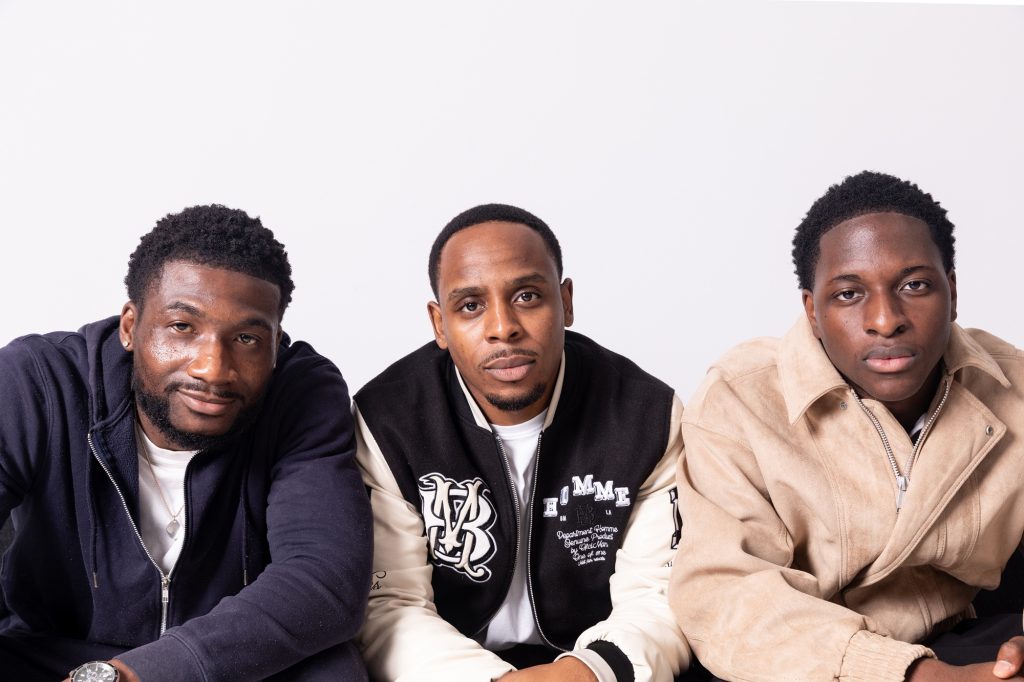
That’s why I wrote Stories Boys Don’t Like to Tell with Ellis Witter. We wanted to humanise the humorous boy, the angry boy, the sensitive boy, the rejected boy, the fatherless boy. He is one of us.
The play follows a group of young men laughing, arguing and joking together, while carrying things they’ve never properly said aloud. It explores fathers, sex, pornography, abuse, identity, race, faith, relationships and rejection – not because they make dramatic theatre, but because they came from real lives.
In 2018 and 2019, young men I was mentoring began sharing childhood experiences that were harrowing. I recognised parts of myself in their stories. One conversation changed me forever; an 18-year-old arrived furious, hitting himself, before finally telling me what had happened to him as a child. Then he lay in my arms and cried like a baby.
I realised these weren’t isolated experiences. Boys do carry these stories. Many simply don’t have the language or the space to tell them.
One of the greatest misunderstandings about boys is that they don’t talk. They do. The difference is who they become when they feel safe.
The banter in this play matters because that’s how these conversations really happen. Humour becomes armour. Anger can feel safer than sadness. But when a man feels unconditionally safe, something remarkably honest emerges.
For me, masculinity is truth – not the watch, the clothes or pretending you need nothing. A young man’s worth cannot be built on sexual performance or how tough he appears. I want boys asking a bigger question: ‘Who are you, bro?’
The play also confronts something I’ve witnessed repeatedly – fathers matter deeply. Physical presence alone isn’t enough. A father who affirms, listens and invests in his son can shape his life in extraordinary ways. My own father left when I was 14, but I never doubted he loved me. That mattered.
At the same time, I honour the women who’ve created spaces for boys when nobody else did. But boys also need healthy men willing to have uncomfortable conversations, admit they don’t know everything, apologise, show affection and offer a model for courage.
The stories are told through a black lens because that’s where they originated. Black boys shouldn’t have to perform someone else’s idea of what being ‘black enough’ looks like. They deserve permission to be awkward, gentle, frightened, brilliant and fully themselves.
Faith belongs in this conversation too. Sometimes, compassionate listening means resisting the urge to provide neat answers and instead meeting the human being sitting in front of you.
What I hope happens when the lights come up isn’t simply that people enjoyed the play. I hope fathers begin conversations they’ve never had with their sons. I hope older men lead younger men with honesty. I hope women recognise that the men in their lives carry insecurities too.
Most of all, I hope boys stop pretending they’re okay when they’re not.
If one person finally tells someone the story they’ve been carrying for ten years, our job is done.
Six years after writing this play, I know something I didn’t know then; speaking isn’t the end of the journey, it’s the beginning.
Those stories have become testimonies. The boys who trusted me weren’t frozen forever by the worst thing that happened to them – they became men. And my goodness, am I proud of them.
Stories Boys Don’t Like To Tell plays at Dugdale Arts Centre from Friday 9th until Saturday, 17th October. To buy tickets:
Visit dugdaleartscentre.co.uk
This article is published as part of a partnership with Local Motion Enfield, highlighting young people’s stories.

Local news needs your support
We are proud that we were at the forefront of reporting on the recent local elections. We can’t do this without the support of our readers.
Independent news outlets like ours – reporting for the community without rich backers – are under threat of closure, turning British towns into news deserts.
If our coverage has helped you understand our community a little bit better, please consider supporting us with a monthly, yearly or one-off donation.
ACT NOW!
Monthly direct debit


Annual direct debit

£5 per month supporters get a digital copy of each month’s paper before anyone else, £10 per month supporters get a digital copy of each month’s paper before anyone else and a print copy posted to them each month. £50 annual supporters get a digital copy of each month's paper before anyone else.

More information on supporting us monthly or yearly
More Information about donations





 Enjoying Enfield Dispatch? You can help support our not-for-profit newspaper and website from £5 per month.