

Enfield playwright Ellis Witter reflects on his new play and why creating space for young men to speak honestly has never been more important
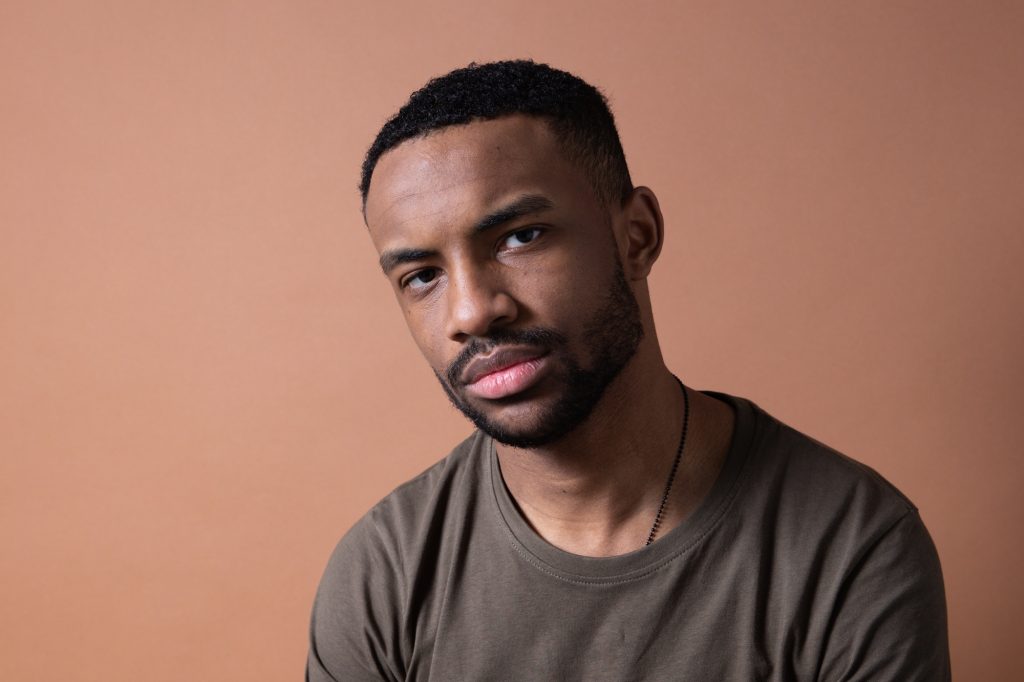
What happens to the stories you don’t tell? The ones you wish you had the freedom, the safe spaces and the confidence to say?
Self-doubt, anxiety, overthinking and fear of backlash can all stop us from speaking. But what happens when you decide to go against the grain anyway? What happens when you speak about the things that keep you awake at night – the thoughts, feelings and emotions you’ve carried for years? What happens when you choose to breathe a little easier and stop carrying that weight alone?
Some stories are hard to tell; hard to hear. Yet they desperately need to be heard.
Our theatre production, Stories Boys Don’t Like To Tell, written by myself and Dumisani KCA Moyo, brings those stories into the open in a way that is honest, humorous, relatable and authentic.
It doesn’t just tell difficult stories; it honours what it took to tell them in the first place.
At first glance, everything feels familiar. The setting, the nostalgia and the friendships between the boys are instantly recognisable. The jokes are hilarious, honest and, at times, brutal. The atmosphere feels warm and inviting.
Then everything changes. The truth begins to surface, and the unspoken rules of the ‘bro code’ come into play; protect the space and protect each other’s vulnerability, no matter how uncomfortable things become.
As the play unfolds, it explores pornography, addiction, relationships, mental health, shame and the pressure many young men feel to appear confident, knowledgeable and emotionally invulnerable.
It isn’t a lecture; it’s the honest conversation many boys have never been given permission – or the space – to have.
This story matters because it comes from lived experience. I’m not writing about young black men from the outside looking in. I’m writing from within my own community, using voices, humour and experiences that are rooted in real life. Every story in the play is true; only the names have been changed.
That authenticity creates trust. Young people are far more likely to recognise themselves in stories that sound like them, look like them and understand the world they navigate every day. More importantly, it creates a safe space where people can begin to see one another more honestly.
Across many communities, including black communities, boys often grow up with powerful expectations about what it means to ‘be a man’. Strength is admired, vulnerability is hidden. Talking openly about mental health, pornography, shame or emotional struggles can invite judgement instead of understanding.
Our aim is to turn that on its head.
This isn’t a uniquely black experience, but for many young black men those expectations are often intensified by stereotypes and the pressure to always appear strong and resilient. Choosing to tell these stories publicly is therefore an act of courage as much as creativity.
Stories like this don’t just challenge individual silence – they challenge silence that can be passed from one generation to the next. For me, silence always collects a debt. The question isn’t whether you’ll pay it. It’s whether you’ll pay with your voice – or your freedom.
Many of the challenges facing young men don’t begin with crisis. They begin with silence. Theatre can reach places that reports, statistics and policies never can. It creates empathy before debate, understanding before solutions and brings people together to talk about what has too often remained unspoken.
My hope is that this play helps parents, schools, youth workers and communities better understand the realities young men face today—and gives someone in the audience permission to tell a story they’ve never felt able to share before.
Because sometimes the most powerful change begins with one person finding the courage to speak.
Stories Boys Don’t Like To Tell is showing at Dugdale Arts Centre in Enfield Town from Thursday 8th to Saturday, 17th October.
This article is published as part of a partnership with Local Motion Enfield, highlighting young people’s stories.

Local news needs your support
We are proud that we were at the forefront of reporting on the recent local elections. We can’t do this without the support of our readers.
Independent news outlets like ours – reporting for the community without rich backers – are under threat of closure, turning British towns into news deserts.
If our coverage has helped you understand our community a little bit better, please consider supporting us with a monthly, yearly or one-off donation.
ACT NOW!
Monthly direct debit


Annual direct debit

£5 per month supporters get a digital copy of each month’s paper before anyone else, £10 per month supporters get a digital copy of each month’s paper before anyone else and a print copy posted to them each month. £50 annual supporters get a digital copy of each month's paper before anyone else.

More information on supporting us monthly or yearly
More Information about donations






 Enjoying Enfield Dispatch? You can help support our not-for-profit newspaper and website from £5 per month.