

Swans have now disappeared from the Edmonton park amid an outbreak of avian botulism this year
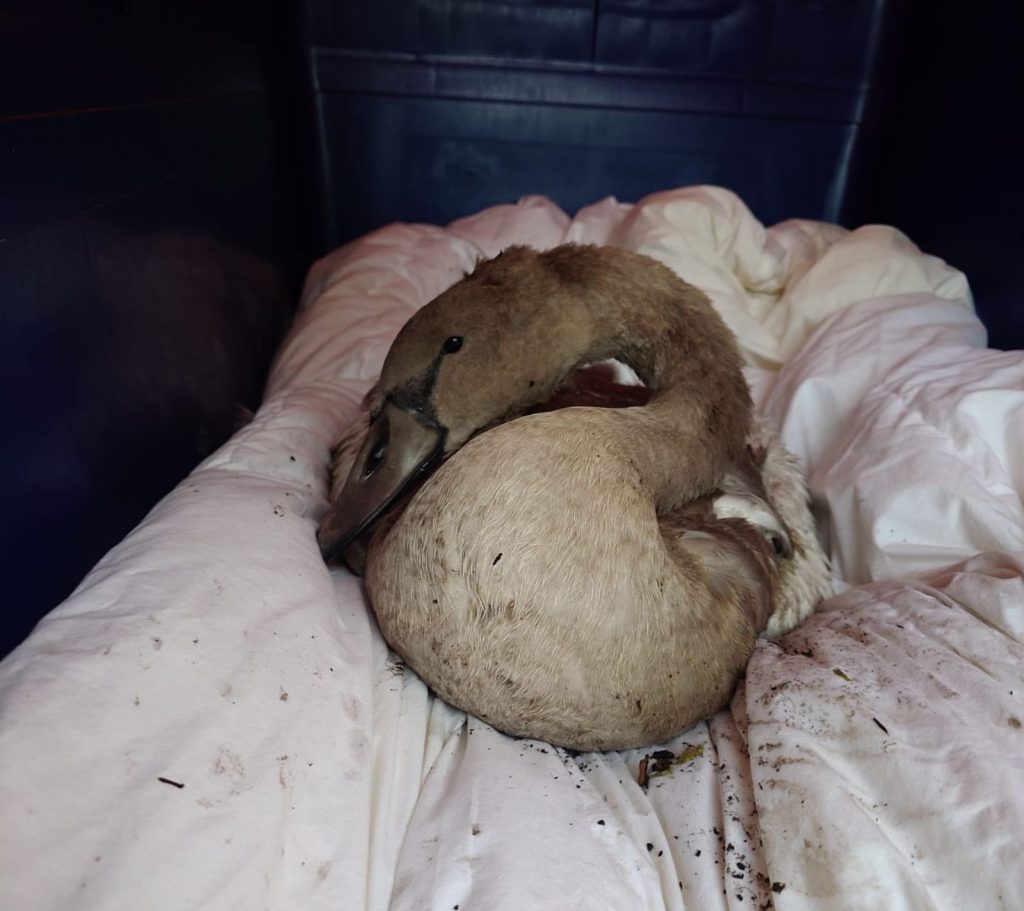
A deadly disease has claimed the lives of at least 24 wild birds at an Edmonton park this year, according to volunteers.
The chair of the Friends of Pymmes Park group told the Dispatch the park had been “devastated” by avian botulism during August and September.
Louise Chapelle said she and other volunteers had done their best to stop the spread of the often fatal paralytic disease between waterfowl at Pymmes Park, which has a large lake, but that it had claimed many casualties.
In particular, the park’s four-strong swan family has been decimated, with just a single cygnet surviving – but needing to be removed and cared for at a wildlife sanctuary.
“We noticed around July we were starting to find wildlife really unwell, we got the Swan Sanctuary out and they confirmed it was avian botulism,” Louise explained.
“The park is devastated because we always have two swans here. The conditions on the lake have kind of set it up to happen, as there is that bacteria on the lake which they can succumb to.”
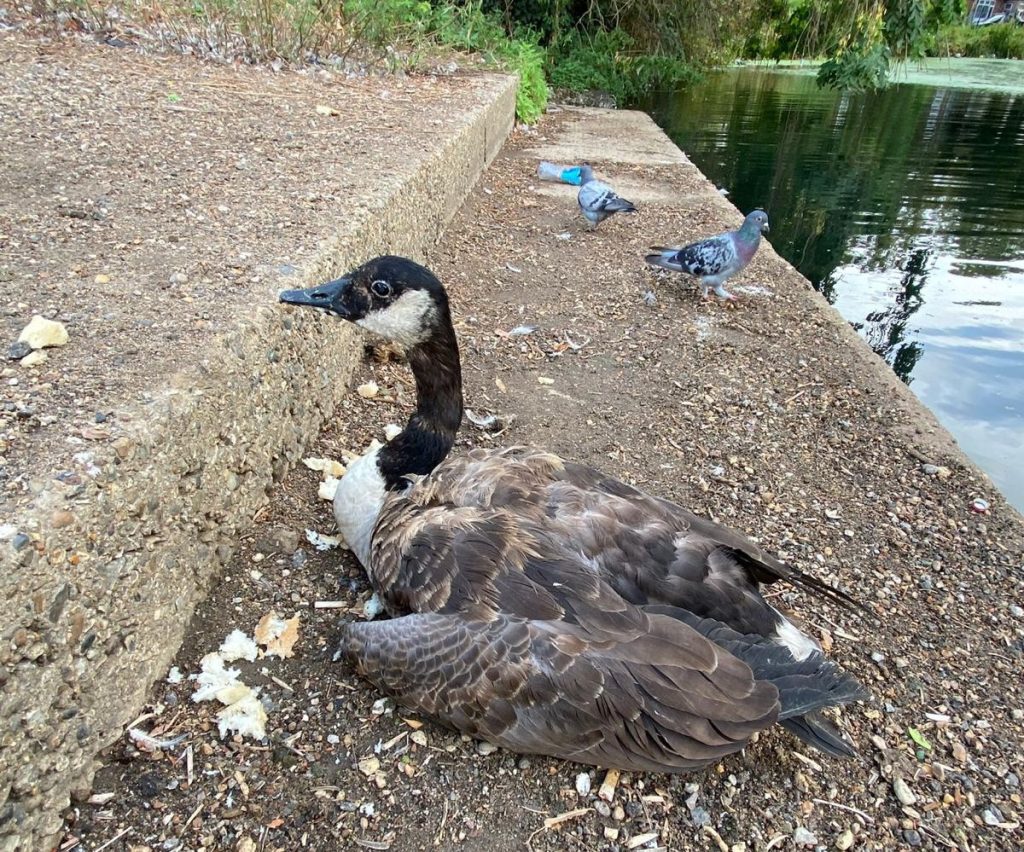
Avian botulism is not spread directly from bird to bird, but via a particular bacteria that infects maggots which are then eaten by birds.
The easiest way to stop it spreading, therefore, is to remove any birds that have already succumbed to it, preventing more maggots from picking it up.
Louise and her team of volunteers have done their best to do this, but are also looking at other solutions.
“We want to get some aeration into the lake so it is not the ideal conditions for this toxin to spread,” she explained.
“The toxin could be living in the build up of silt at the bottom of the lake. It was last de-silted over 20 years ago. It could also have been thriving on accumulated decaying matter caught in the many branches overhanging on the lake edge.
“A hot summer, where water levels have decreased, is an ideal place for the bacteria to proliferate, in warm stagnant water. The lake does not have pumps and aeration fountains, which is something we will be speaking to Enfield Council about in the coming weeks.”
Louise added: “Some new swans will arrive eventually and we want it to be a nice environment for them when they do. It is very sad not having swans in the park at the moment.”
Local news needs your support
We are proud that we were at the forefront of reporting on the recent local elections. We can’t do this without the support of our readers.
Independent news outlets like ours – reporting for the community without rich backers – are under threat of closure, turning British towns into news deserts.
If our coverage has helped you understand our community a little bit better, please consider supporting us with a monthly, yearly or one-off donation.
ACT NOW!
Monthly direct debit


Annual direct debit

£5 per month supporters get a digital copy of each month’s paper before anyone else, £10 per month supporters get a digital copy of each month’s paper before anyone else and a print copy posted to them each month. £50 annual supporters get a digital copy of each month's paper before anyone else.

More information on supporting us monthly or yearly
More Information about donations


 Enjoying Enfield Dispatch? You can help support our not-for-profit newspaper and website from £5 per month.